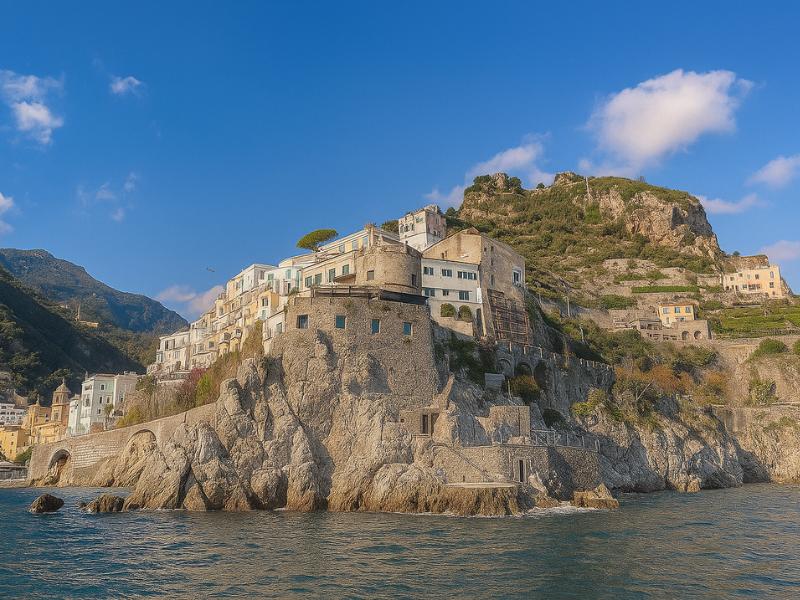
Is The Amalfi Coast Expensive?
Yes, the Amalfi Coast is pricey—but not as unreachable as Positano’s reputation suggests. Plan smart and a week can cost €1,200–2,500 per person.
The useful comparison is the total for your dates and party. Keep low-cost town days, then compare what one class, coast cruise or organized sightseeing day adds. Choose Your Experience Below.
| Accommodation (per night) | €80-500+ | Positano €250-500, Praiano/Maiori €80-200 |
| Restaurant dinner (per person) | €50-200+ | €50 minimum for two courses, Michelin €200+ |
| Lunch/casual meal | €15-30 | Pizza, panini, trattoria |
| SITA bus (single ride) | €1.50-3.50 | 24-hour pass €10 |
| Ferry (one-way) | €9-15 | April-October only, weather permitting |
| Beach club (loungers + umbrella) | €35-80/day | Positano/Amalfi high; Maiori/Minori €15-25 |
| Parking (per hour) | €3-5 | Positano hardest to find; Ravello €30/day |
| Espresso | €1.50-5 | Tourist-center cafés charge 3x local bars |
Illustrative price examples; check current rates for your date and party.
Budget the base, transport and meals first. Use current quotes for paid activities, distinguish shared totals from per-person prices and include mandatory extras. Explore the Positano, Amalfi and Ravello day tour from SorrentoExplore the Positano, Amalfi and Ravello day tour from Sorrento.
Is The Amalfi Coast Actually Expensive Compared To Other Italian Destinations?
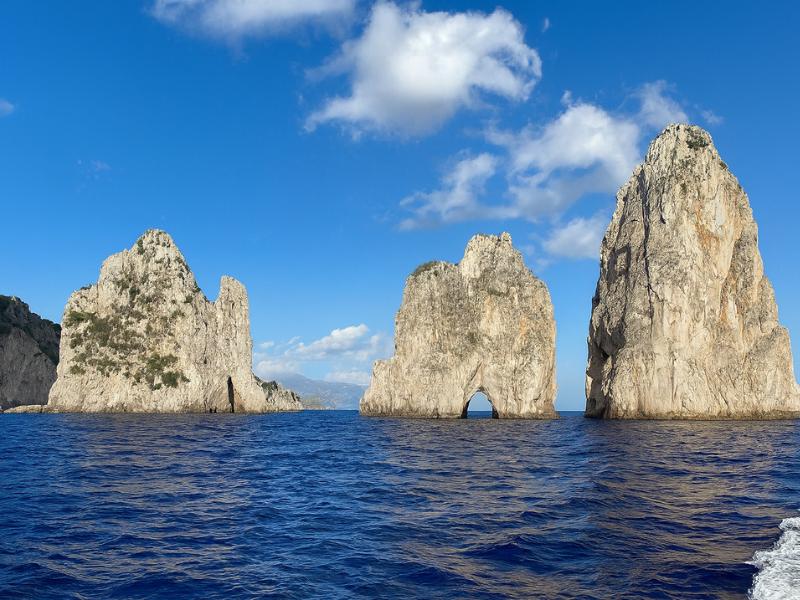
The Amalfi Coast costs 2-3 times more than most of Italy for the same quality of accommodation and dining, positioning it closer to Capri or Venice’s Grand Canal than to Rome or Florence. A mid-range hotel room that runs €120 in Tuscany will cost €200-300 here in high season, and a restaurant meal that would be €35 elsewhere starts at €50 minimum. However, this premium isn’t uniform across the coast, it concentrates heavily in Positano, Ravello, and central Amalfi, while towns like Praiano, Maiori, and Minori operate at nearly normal Italian prices.
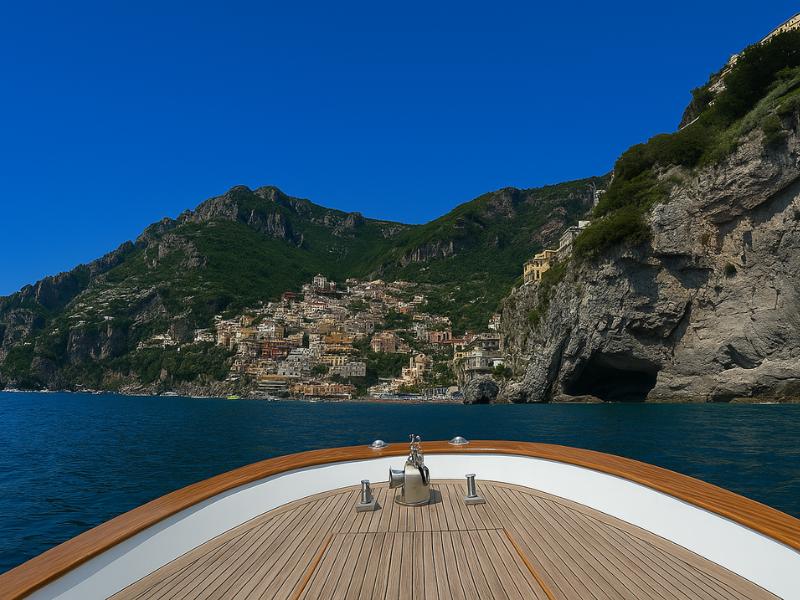
The reputation outpaces reality because Positano dominates the imagery. Every Instagram feed, every travel magazine cover, every “bucket list” article features the same cascade of pastel houses tumbling into impossibly blue water. What they don’t show is the €400/night hotel rate, the €25 Aperol Spritz, the €80 beach lounger setup. Positano is the Amalfi Coast’s flagship, but it’s not representative.
We’ve guided travelers here for over a decade. The ones who arrive expecting uniform luxury prices across 13 towns get a pleasant surprise in Atrani or Cetara. The ones who book everything in Positano and then discover Praiano exists feel the opposite.
Compare an Amalfi itinerary with Cinque Terre using quotes for the same dates, accommodation standard and party size. The trips have different transport networks and nearby attractions; a single regional percentage cannot establish your cost difference.
A limited choice in a particular town or date can affect room prices. Compare actual availability in several bases rather than assuming a whole town is fully booked.
If you’re feeling overwhelmed by all the decisions, here’s how to plan a trip to Italy Amalfi Coast tours so you don’t waste time figuring out ferries, buses, and accommodation on the fly.
| Destination / Town | Mid-Range Hotel (High Season, per night) | Typical Restaurant Meal (per person) | Notes |
|---|---|---|---|
| Tuscany (e.g., general) | €100-150 | €30-40 | Competitive market, more options |
| Rome / Florence | €120-180 | €35-45 | High competition keeps prices down |
| Cinque Terre (average) | €150-250 | €40-60 | 30–40% cheaper overall than Amalfi |
| Amalfi Coast (general) | €200-400 | €50-80 | Varies widely by town |
| Positano / Ravello / central Amalfi | €300-600+ | €60-100+ | Scarcity + Instagram fame drives premium |
| Praiano / Maiori / Minori / Atrani | €150-300 | €40-60 | Closer to “normal” Italian prices |
What Does A Week On The Amalfi Coast Actually Cost?
A realistic one-week Amalfi Coast trip for one person costs €1,200-2,500 excluding international flights, with the final number determined almost entirely by three choices: where you sleep (Positano vs. Praiano adds €700-1,000/week), when you visit (July adds 40% over May), and how often you dine at restaurants with views versus trattorias up the hill. Budget travelers who stay in Maiori, take SITA buses, and eat lunch as their main meal can manage €1,200-1,400. Mid-range travelers choosing Amalfi or Praiano with mix of transportation and dining land around €1,800-2,000. Luxury stays in Positano or Ravello with clifftop hotels and Michelin dinners start at €2,500 and climb steeply from there.
Use the following illustrative budgets to identify the cost categories, then replace the figures with quotes for your dates and party:
The budget traveler books a three-star hotel in Maiori for €100/night (€700/week), takes SITA buses everywhere (€70 for unlimited weekly travel), eats a light breakfast at the hotel, makes picnic lunches from the deli (€10/day = €70), and has one sit-down dinner daily at a local trattoria (€30/meal = €210). Add €150 for miscellaneous (espresso, gelato, beach entry, museum tickets). Total: €1,200.
The mid-range traveler stays in Praiano at €180/night (€1,260/week), uses a mix of buses and ferries (€150), eats breakfast at the hotel, has casual lunches (€20/day = €140), and dines at better restaurants with partial views (€60/meal = €420). Add beach club once or twice (€70), a boat trip to Capri (€130), parking for a day-rental car to reach Ravello (€50), and miscellaneous (€180). These example line items total €2,400, but mix shared accommodation with per-person spending. Recalculate using your party size and current quotes before relying on a per-person total.
The luxury traveler books Le Sirenuse or a comparable Positano property at €600/night (€4,200/week), hires private drivers (€400), eats every dinner at destination restaurants (€150/meal = €1,050), takes a private boat to Capri (€500 for the group), enjoys beach clubs daily (€560 for the week), and adds wine, aperitivo, and shopping (€500). Total: €7,210 for one person.
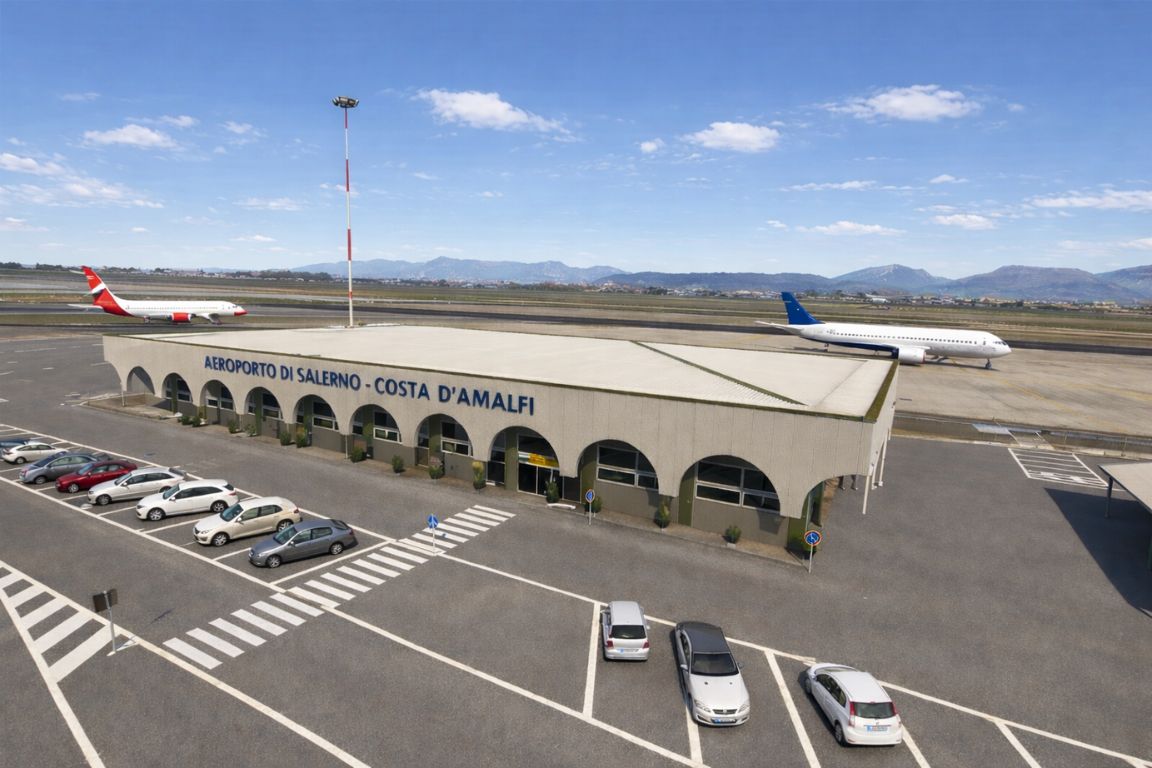
Flight costs from the US run €600-1,200 depending on season and booking timing. Add that to any tier above. Naples (NAP) is the primary airport; the new Salerno Costa d’Amalfi airport (QSR) opened in 2024 but has limited international service.
Budget method: divide shared room and vehicle costs by the people sharing them, then add each person’s meals, transport, activities and extras. Apply the same method to every option before comparing totals.
Choose the outing before filling the rest of your day. Compare three-town day and coast cruise by what each quote includes and the extras to add. Choose Your Three-Town Day Or Alternative
Where Does Your Money Go? Breaking Down Daily Expenses
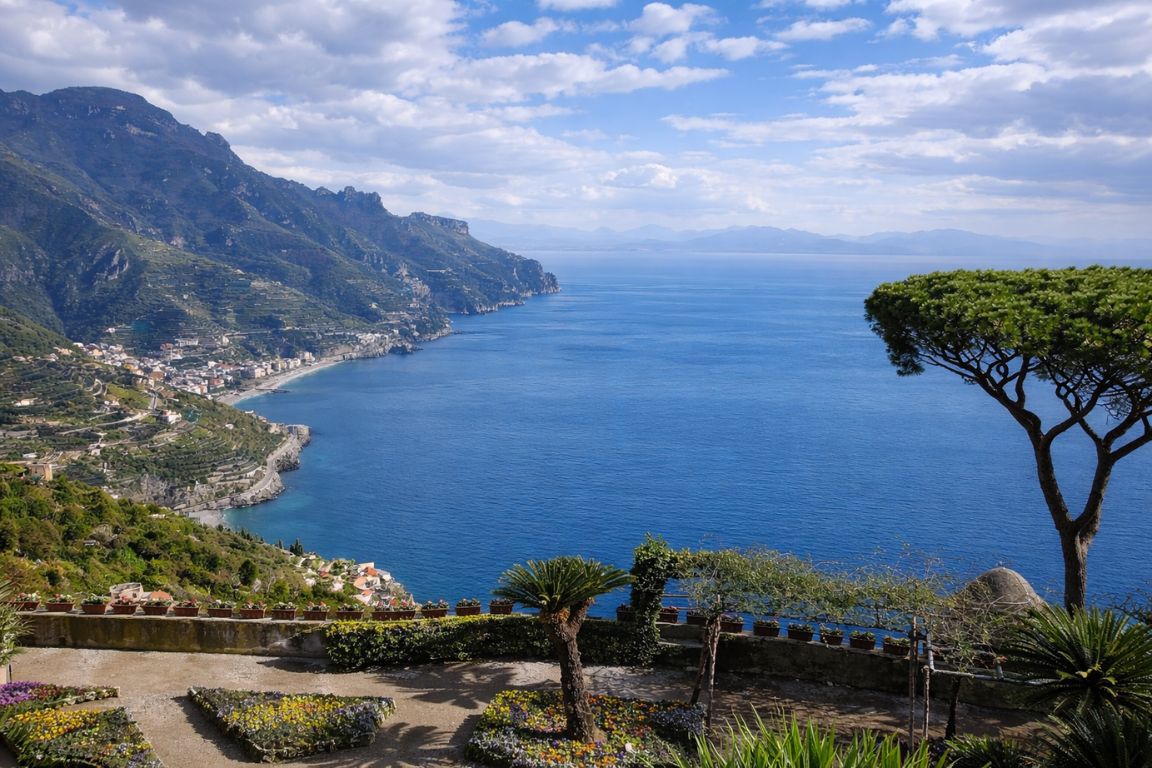
Accommodation and dining can make up much of the budget, but their proportions depend on room sharing, meal choices and paid activities. Build the total from your own categories rather than assuming a fixed percentage split.
Accommodation dominates because the coast has no hostel culture outside of one small property in Positano and another in Agerola. You’re looking at hotels, B&Bs, or vacation rentals, all priced for the demand they face. A sea-view room in any decent property starts at €150 in shoulder season, €250+ in summer. No view, smaller room, farther from town center brings it down to €80-120 even in peak months, but you’re still paying Italian hotel rates in a region where land literally can’t expand to meet demand.
Dining costs spike because casual eating options are limited. Most of Italy offers a robust street food and takeaway culture. The Amalfi Coast doesn’t. You’ll find pizza al taglio in a few spots, a handful of delis making panini, and the occasional *cuoppo* (fried seafood in a paper cone) for €8-10. But no kebab shops, no student cafeterias, no €5 meal deals. The baseline is a sit-down trattoria at €30-40/person or a restaurant at €50-80/person.
Transportation stays cheap if you commit to SITA buses. A single ride costs €1.50-3.50 depending on distance. The 24-hour unlimited pass costs €10. Ferries add €9-15 per ride but save massive time when traffic snarls the coastal road. A taxi from Amalfi to Positano runs €80-100. A private driver for a day costs €300-400. The gap between public and private transport here is wider than almost anywhere else in Italy.
Activities and entrance fees remain surprisingly reasonable. Most churches and viewpoints are free. Villa Rufolo in Ravello costs €10. The Path of the Gods hike costs nothing. A group boat tour to Capri runs €130/person; a similar tour in Cinque Terre is €80. Beach club loungers and umbrellas in Positano hit €80/day for two people, but Maiori charges €20-25 for the same setup.
The hidden costs that catch people: parking (€5/hour adds up fast if you rent a car), baggage fees on SITA buses (€2/bag, new policy since 2024), drinks at tourist-center cafés (€15 cocktails, €5 espressos when the local bar charges €1.50), and cover charges at restaurants (€2-5/person *coperto* is standard but surprises first-timers).
Which Towns Are Most Expensive (And Which Offer Better Value)?
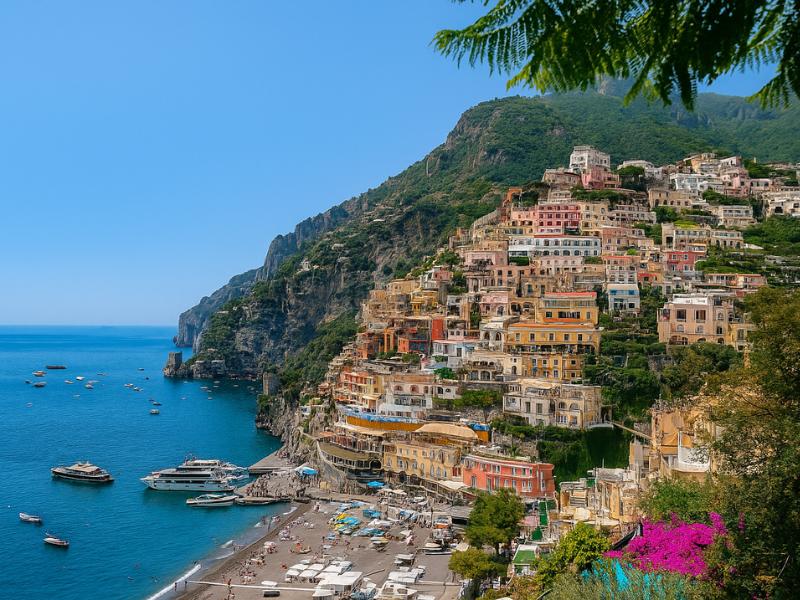
Positano stands alone as the coast’s most expensive town, with hotel rates 60-80% higher than anywhere else and restaurant prices to match. Ravello runs second due to its luxury villa hotels and limited competition. Amalfi town sits in the middle, charging a premium for central location but offering more variety. The value towns are Praiano (20 minutes from Positano at half the price), Maiori and Minori (actual sandy beaches, local prices), Atrani (Amalfi’s tiny neighbor with village charm), and Cetara (fishing town that tourists skip, which keeps prices honest).
Positano earned its reputation through pure geography. The town pours down a near-vertical slope in a cascade that photographs like a dream and develops like a nightmare. Every structure required heroic engineering. Every hotel room occupies irreplaceable cliff-face real estate. Supply can’t expand, demand never stops, prices reflect the imbalance. A sea-view room in Positano averages €350-500/night in summer. The same quality room in Praiano, twenty minutes east, costs €180-250.
Ravello operates on a different premium. Perched 365 meters above sea level, it attracts travelers seeking gardens, classical music, and refined atmosphere over beach access. Villa Cimbrone and Palazzo Avino set the luxury standard. You’re paying for tranquility, gardens that belonged to 12th-century nobility, and concert series that draw international performers. If that’s your speed, Ravello delivers. If you want beach life, you’ll descend to Amalfi or Minori daily, adding transport time and cost.
Amalfi town benefits from being the coast’s transportation hub and largest settlement. More hotels mean more competition. More restaurants mean more price points. You can find a €35 lunch or a €120 dinner, a €150 hotel or a €400 suite. The range exists. It’s not cheap, but it’s not Positano.
Praiano is where we place clients who want the Amalfi Coast experience without the Positano price tag. It sits between Positano and Amalfi on the coast road. Hotels with sea views and pools cost €150-250/night. Restaurants serve the same lemon pasta and grilled fish at €18-25 instead of €30-40. The beach at Marina di Praia is small but genuine. SITA buses run every 30-60 minutes to both neighboring towns. You’re trading Instagram-famous backdrops for affordability and discovering that the views from Praiano rival anything in Positano anyway.
Maiori and Minori offer the coast’s longest beach (Maiori) and most local feel (Minori). These towns cater to Italian families on summer holiday more than international luxury travelers. A three-star hotel runs €100-150. Beach clubs charge €15-25 for loungers and umbrella. Restaurants serve excellent food at normal Italian prices. The tradeoff is you’re 30-45 minutes by bus from Positano and Amalfi, and the towns lack the dramatic cliff-hanging architecture. If you’re okay with that exchange, your budget stretches twice as far.
Atrani wedges into a ravine next to Amalfi, technically a separate comune but functionally Amalfi’s quiet neighbor. Five minutes by foot, half the tourists, meaningfully lower prices. Hotels here run €120-180 when Amalfi charges €180-280. It’s our insider recommendation for travelers who want Amalfi’s access and Atrani’s charm.
Curious about doing it affordably? Here’s our complete budget Amalfi Coast itinerary with smart choices on accommodation, transport, and activities that don’t blow your trip fund.
Compare the room saving with access to the departures you intend to use. Compare base-town trade-offs
When Is The Amalfi Coast Cheapest To Visit?
May (before mid-month) and the second half of September through mid-October offer the sweet spot of 30-40% lower prices than summer, reliable weather, and manageable crowds. Hotel rates drop from peak-season pricing, restaurants offer better availability without reservations weeks ahead, and ferries still run on full schedules. November through March sees another 20-30% price reduction, but ferry service ends, many hotels and restaurants close entirely, and weather becomes unpredictable, making it a false economy unless you specifically want off-season solitude.
Compare peak, shoulder and quieter dates against actual room rates and open services. The potential saving depends on the property and dates, not a universal seasonal discount.
July and August represent peak expense and peak frustration. A Praiano hotel that costs €180 in May charges €280 in July. Positano properties add another 40% on top. Beach clubs reach capacity by 10 AM. The coastal road becomes a parking lot, turning a 20-minute bus ride into an hour-plus ordeal. Restaurant reservations require calling weeks ahead. The heat and crowds combine into the exact experience that makes travelers question whether the Amalfi Coast lives up to its reputation.
May and September may suit travellers balancing weather, crowds and service availability. Check the actual room and activity quotes; neither a fixed saving nor swimming conditions are guaranteed.
April and October work if you’re flexible. April weather can surprise you, either way. Some days hit 24°C and sunshine, others bring unexpected rain and 15°C temperatures. Ferries start running late March or early April depending on the company. October holds stable until mid-month, then turns unpredictable. But prices stay shoulder-season low (20-30% below summer) and the coast feels like it belongs to travelers rather than crowds.
November through March cuts prices another 20-30% from shoulder season, but you’re gambling. Ferry service ends. Half the hotels close. Many restaurants either shut down entirely or operate limited hours. SITA buses run on reduced schedules. The Path of the Gods can be muddy or closed after heavy rain. Some years you’ll find sunshine and 18°C days perfect for exploring without sweating. Other years you’ll face grey skies and temps that make beach time impossible. If your goal is off-season photography and you’re comfortable with uncertainty, the savings can justify it. If you’re visiting once and want the full experience, spend the extra money and come in May or September.
If you’re flexible on dates, here’s the best time to visit the Italy Amalfi Coast tours based on temperatures, tourism peaks, and when accommodation prices drop significantly.
A lower room rate matters only if the activities and connections you want are available. Check what your month offers
How Can You Experience The Amalfi Coast On A Tighter Budget?
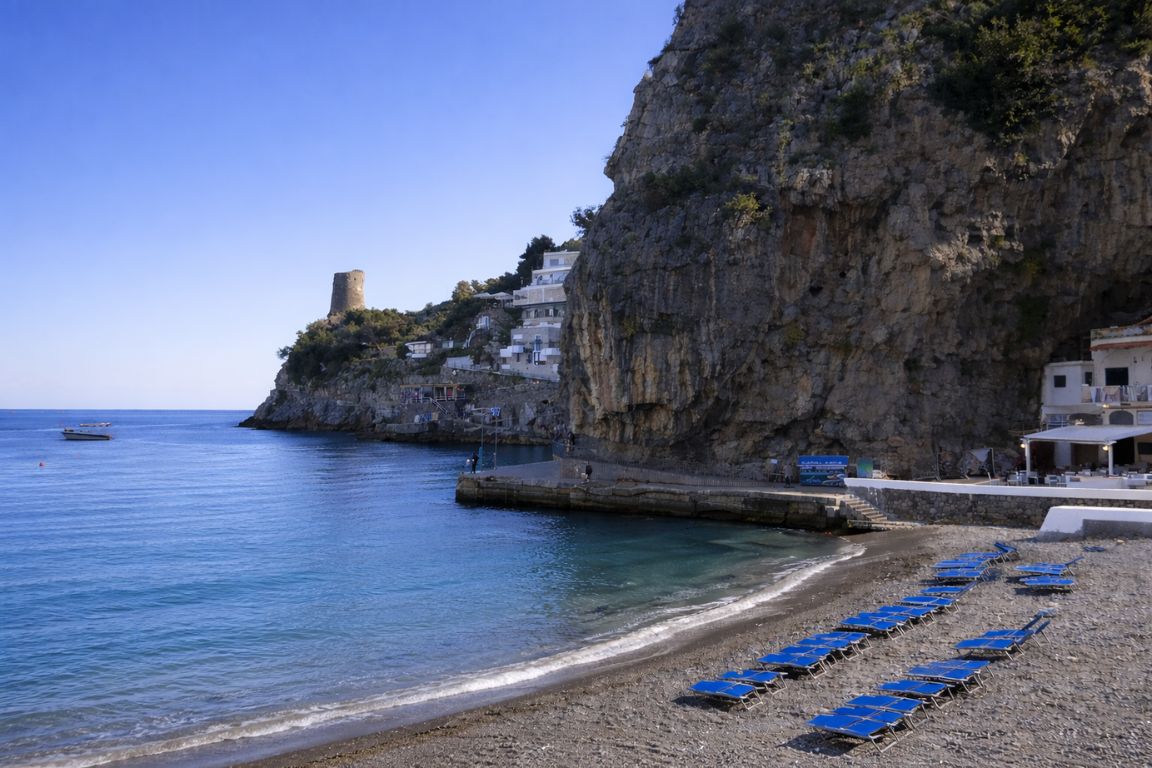
Compare Maiori, Minori, Praiano or Atrani with Positano and Ravello; consider delis and markets for some meals; and price the public-transport journeys you will use. These choices can reduce spending, but the saving depends on your dates and preferences.
Accommodation location makes the single largest impact on your budget. A Positano sea-view hotel costs €400/night in summer. A Praiano hotel with equivalent views, pool, and service costs €220. That’s €1,260 saved over a week. The bus ride between the two towns takes 20 minutes. You’re paying €180/night for the Positano address and Instagram location tag. If that matters to you, pay it. If you’d rather have the extra money for experiences, sleep in Praiano and visit Positano for the afternoon.
Compare a restaurant’s lunch and dinner menus before assuming one is cheaper. A substantial lunch and simpler dinner can suit a budget, but a universal percentage discount does not apply.
SITA bus passes cost €10 for 24 hours of unlimited rides or roughly €70 for a week of daily unlimited use if you buy seven consecutive day passes. A single taxi ride from Amalfi to Positano costs more than a week of bus access. Yes, the buses get crowded in summer. Yes, you’ll sometimes wait 30-40 minutes for one with space. But the money you save buys better accommodations, better meals, or an extra day on your trip. Pack patience and €70 instead of paying €500-700 for taxis or €300/day for a private driver.
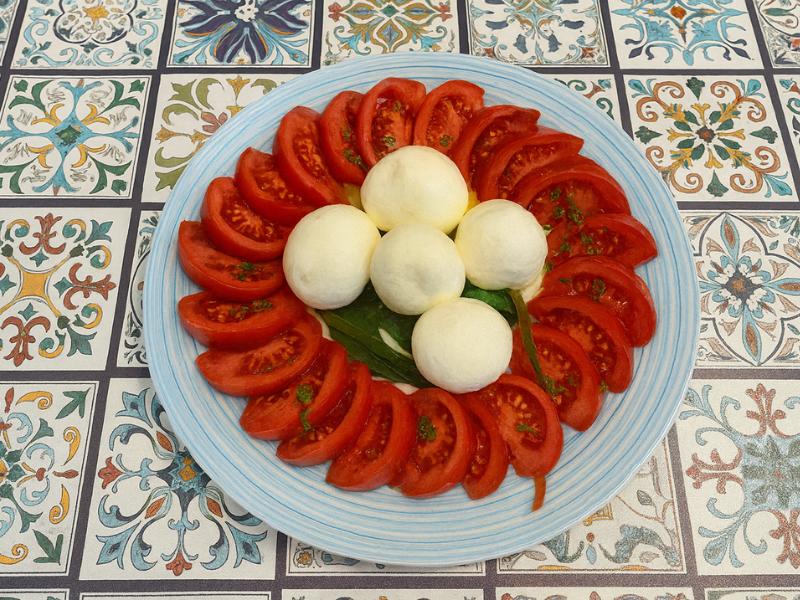
Supermarkets barely exist on the Amalfi Coast. Locals shop in Salerno or Sorrento. But delis, bakeries, and small alimentari shops sell fresh mozzarella, tomatoes, local salami, bread, and wine at normal Italian prices. A panino assembled from deli ingredients costs €5-8. The same sandwich at a café costs €12-15. A bottle of local wine from a shop costs €8-12; by the glass at a restaurant it’s €8-12 per glass. Build picnic lunches, buy breakfast supplies, and cook occasional dinners if your accommodation has a kitchenette. This strategy cuts food costs by 40% while introducing you to local shops tourists walk past.
Beach clubs charge €35-80/day for two loungers and an umbrella in the premium spots. Public beaches exist in nearly every town and cost nothing beyond the mental adjustment to claiming a spot on the pebbly sand with your own towel. Marina di Praia in Praiano, Maiori beach, and Atrani beach all offer free access. You’re trading beachside service for budget savings. Pack sunscreen, water, and snacks. The Mediterranean looks the same from a rented lounger or a beach towel.
Compare current rates and cancellation terms once your dates are firm. Booking earlier may give more choice, but does not guarantee the lowest price.
Need to save money along the coast? Our guide on budget activities on Italy Amalfi Coast tours shows you what you can do without spending much and what’s actually worth the splurge.
Keep the free coast experiences central and add a booking only if it provides something you want beyond the view. Find free and low-cost activities
What Hidden Costs Catch Travelers Off Guard?
Baggage fees on SITA buses (€2 per bag, new policy since 2024), parking costs that accumulate quickly if you rent a car (€5/hour or €30/day), beach club minimum consumption requirements (order €20-40 worth of food/drinks or pay extra), restaurant cover charges (€2-5 per person *coperto*), tourist-center drink prices (€15 cocktails, €5 espresso when local bars charge €1.50), and limited ATM access in smaller towns are the costs that surprise first-time visitors who budgeted only for obvious expenses.
Check the current SITA luggage allowance and any additional ticket needed for your bag. Include it in the route total rather than relying on a flat fee from a previous year.
Parking becomes expensive fast if you rent a car. Amalfi town charges €5/hour at the Luna Rossa garage. A full day costs €40-50. Ravello runs €3/hour or €30/day. Positano’s public parking (when you can find it) costs €3/hour, and finding an available spot requires luck or arriving before 9 AM. The coastal road has almost no free parking. If you rent a car for flexibility, budget €25-40 daily just for parking, or accept that the car sits at your hotel while you use buses and ferries for town-to-town movement.
Before choosing a beach club, ask what the lounger price includes and whether any minimum spend or other charge applies. Compare the total with a public-beach day.
Cover charges (*coperto*) of €2-5 per person appear on every restaurant bill as a fee for bread, table service, and place settings. It’s standard across Italy but surprises first-time visitors who think they’re being scammed. You’re not. It’s how Italian restaurants account for costs that other countries build into menu prices. Some restaurants in heavily touristed areas charge €5-6/person, which feels aggressive, but it’s legal and disclosed on menus (often in small print).
Tourist-center café pricing can shock. An espresso at a bar in Minori or Atrani costs €1.20-1.50. The same espresso at a café on Positano’s main beach costs €4-5. An Aperol Spritz in a local spot costs €6-8. At a cliffside bar in Positano or Ravello, it’s €15-18. The view and location command the premium. If you want the postcard setting, pay the premium. If you just want the drink, walk five minutes uphill or to a side street and pay normal prices.
ATMs are scarce outside Amalfi, Positano, and Sorrento. Smaller towns like Atrani, Praiano, and Cetara might have one ATM or none. Many restaurants and shops still prefer cash. Running out of cash in Praiano on a Sunday evening means either finding the single ATM (if it’s working) or using a credit card at places that accept them. Withdraw extra cash when you’re in larger towns.
Have your travel day in mind? Match what each quote includes and the extras to add before making separate activity bookings. Choose Your Three-Town Day Or Alternative
Is Hiring A Guide Or Booking A Tour Worth The Extra Cost?
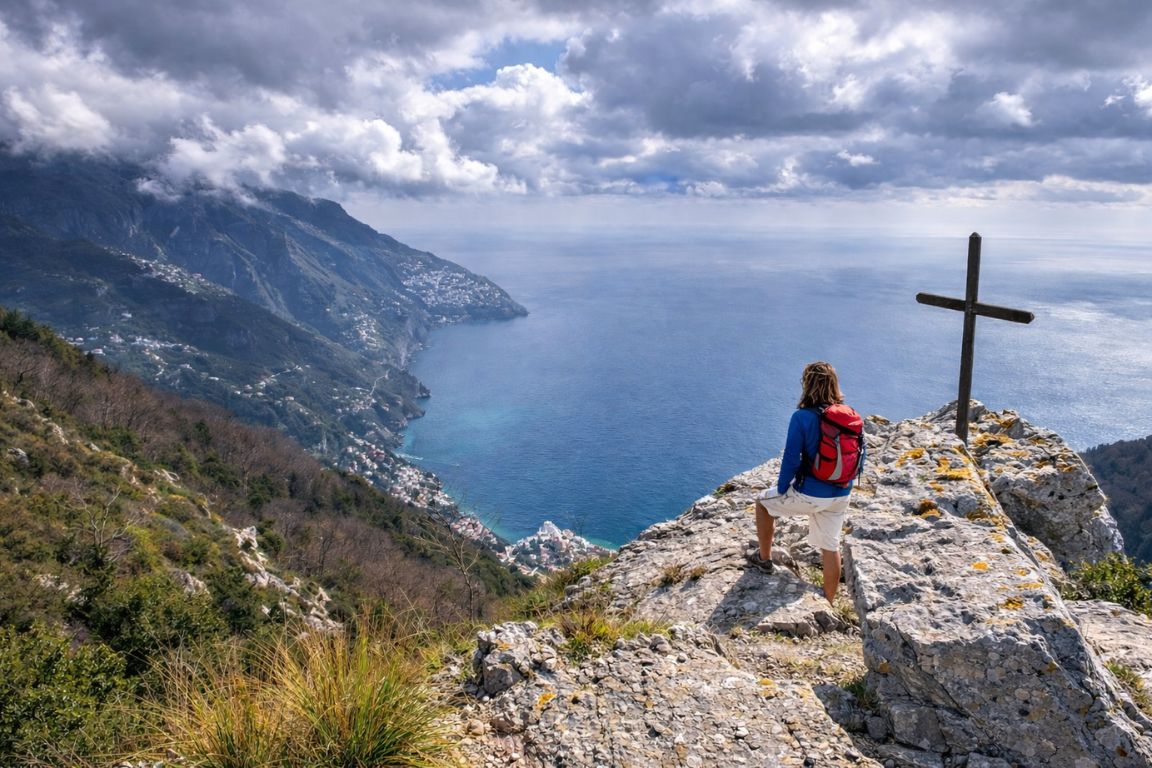
A guided outing can organize the services listed in its itinerary and add interpretation. Compare its current total, fixed schedule and meeting point with an independent day; it does not guarantee a daily time saving.
We’re obviously biased here, running tours ourselves, but we’ll try for honesty. The Amalfi Coast rewards local knowledge in ways that Florence or Rome don’t. Florence’s major sights cluster in a walkable core. The Amalfi Coast spreads across 50 kilometers of winding road with unpredictable traffic, weather-dependent ferries, and seasonal schedules that change monthly. A guide handles those variables so you don’t spend your vacation refreshing bus timetable PDFs and wondering if the restaurant everyone recommended is closed for riposo when you arrive at 2:30 PM.
The practical value of a guide may be route organization and context. Check the actual stops and services rather than assuming a guide can arrange unlisted restaurant bookings, beach spaces or trailhead transfers.
The education component matters more on the Amalfi Coast than people expect. The Maritime Republic history, the Saracen tower network, the terraced lemon groves, the architectural details in small churches all add depth if someone’s there to point them out. Without context, Amalfi becomes pretty cliffs and good pasta. With context, you start seeing the engineering, the history, and the cultural threads that make the coast what it is. That’s harder to extract from a guidebook while navigating narrow staircases in July heat.
Shared and private prices depend on the route, group size and inclusions. For a private quote, divide the full-party total by the number travelling and compare an equivalent shared option. Confirm meals and transfers rather than assuming they are included.
If you enjoy planning, use the current bus and ferry timetables to build an independent route. Compare its complete cost with the organized day; do not assume a fixed saving for every couple.
If you’d rather hand the logistics to someone who’s done this 6,800 times, start with the Sorrento to Amalfi Coast day trip, which includes the driver-guide and stops in Positano, Amalfi, and Ravello.
Compare Your Budget Priorities
Consider these spending styles as planning alternatives, then build your budget from current quotes:
A budget-focused trip can use a practical base, public transport and free activities. A mid-range trip can add selected restaurant meals and one paid experience. A comfort-focused or luxury trip can prioritize a specific property, private transport or exclusive-use activities. None guarantees higher satisfaction.
Budget decisions to make before arrival:
Leave room for unplanned meals, changes to transport and optional beach or attraction spending. Decide which extras you are willing to fund before they appear during the trip.
Choose a Positano hotel if the actual property, location or view is worth the premium to you. Otherwise compare other bases and include the time and cost of visiting Positano.
Compare May and September with summer dates using current quotes and the services you want. A seasonal preference does not establish a fixed percentage saving.
Count usable sightseeing days after arrival and departure. Add nights if the time they create is worth the additional accommodation cost to you.
Put your preferred experience on the itinerary first. Compare three-town day and coast cruise to make room for the day you want. Choose Your Three-Town Day Or Alternative
Frequently Asked Questions
What would you add to your independent day? Discover three-town day and coast cruise, with departure points and the time each experience takes laid out below. Discover Three-Town Day & Alternatives
How expensive is the Amalfi Coast compared to Cinque Terre?
Compare quotes for the same dates, party size and accommodation standard in both destinations. Include their different transport and activity costs before deciding which offers the better value for your trip.
Test a concrete Amalfi plan against your budget before ruling out the coast based on an average comparison. Review a budget Amalfi plan
Is Positano more expensive than other Amalfi Coast towns?
Positano can command a premium, but compare specific rooms for your dates rather than assuming a fixed percentage difference. Staying elsewhere and visiting for the day is another option.
Compare accommodation quotes for the same dates and room requirements across towns. Find alternative bases
Can you visit the Amalfi Coast on a budget of €100 per day?
Yes, but with constraints. Stay in Maiori or Minori (€70-100/night hotels), use only SITA buses (€10/day unlimited), make sandwiches from delis for lunch (€8-10), eat casual dinners at local trattorias (€25-30), and skip paid beach clubs. The listed room, bus, lunch and dinner examples total €113–150 before other expenses if paid by one person; sharing a room changes the per-person total. Visit in May or September when prices drop. July-August makes €100/day nearly impossible without sacrificing comfort significantly.
A tight daily ceiling makes free activities a useful starting point. Plan activities without a tour fee
Are restaurants on the Amalfi Coast overpriced?
They’re expensive, not overpriced. The difference matters. A restaurant with clifftop views charging €35 for seafood pasta isn’t gouging you; it’s covering real estate costs, limited local supply chains, and high demand. Tourist-trap restaurants exist (mostly around Positano’s beach and Amalfi’s cathedral square), but the majority of establishments serve quality food at prices justified by location and operational costs. Walk five minutes from tourist centers and prices drop 20-30% for similar quality food minus the views.
Compare menus and listed charges, then choose the food and setting you value. Plan regional meals
What’s the cheapest month to visit the Amalfi Coast?
Quieter months may offer lower room rates, but check which hotels, restaurants, activities and ferry routes operate. Compare the full itinerary rather than the room saving alone.
Balance the quoted saving against service availability and the kind of coast trip you want. Compare travel seasons
Is it cheaper to stay in Sorrento and day-trip to the Amalfi Coast?
Sorrento can suit a trip combining Capri, Pompeii and the coast. For a coast-focused stay, compare its accommodation quotes plus daily travel with a coastal base; neither is automatically cheaper.
The Amalfi Coast won’t compete with Southeast Asia or Eastern Europe for budget travel. But it also doesn’t require trust-fund money. Make smart accommodation choices, eat intelligently, use public transport, and visit in shoulder season, and you’ll find the coast accessible without mortgaging your future. The scenery, the food, the layered history that stretches back to the 9th-century Maritime Republic, it’s all still there regardless of what you spend per night on your hotel.
Questions before you commit? Compare inclusions and dates on the Sorrento to Positano, Amalfi, and Ravello day trip.
Written by Vincent Moretti
Italian (Amalfi Coast) tour guide since 2012 · Founder, Italy Amalfi Coast Tours
Vincent has guided over 6,800 travelers along the Amalfi Coast and throughout southern Italy since founding the agency.
Sorrento makes particular sense when Capri or Pompeii also feature; include travel to the coast in your comparison. Check Sorrento as a base