Amalfi Coast By Month: When To Visit (And When To Avoid) In 2026
Best time for the Amalfi Coast? May and mid-September are useful starting points for balancing weather and crowds. Check the services and activities you need for your exact dates.
Choose the season around the activity you want most, then check a real departure calendar before building the rest of the trip. Choose Your Experience Below.
When Is The Amalfi Coast Actually Worth Visiting?
Every guidebook says “April through October” like it’s all the same, but I’ve been doing this since 2012 and the difference between April and May is massive. The difference between early September and late September is the difference between a great trip and a mediocre one.
Here’s what nobody tells you until you’re already there: The Amalfi Coast has three distinct seasons that actually matter. Peak season runs July 1 through September 10, when half a million people descend on 13 towns and hotel prices triple. Shoulder seasons split into “real shoulder” (May, early June, mid-September through October) where conditions are genuinely ideal, and “fake shoulder” (April, November) where the weather or closures create problems. Then there’s winter (December through March), which is either a budget traveler’s dream or a logistical nightmare depending on your expectations.
The months I recommend without hesitation: May and the second half of September. May gives you 20-21°C temperatures, lemon blossoms in full bloom, ferries running their complete schedules, and crowds that are present but manageable. You can still get last-minute hotel rooms. Restaurants have space. The SITA buses aren’t packed to capacity. September 10-30 offers the same benefits plus warmer water (24°C versus 19°C in May) and crystal-clear skies after summer winds scrub the atmosphere clean.
The months to approach with different expectations are peak summer and winter. In summer, allow for crowded town centers and transport; in winter, confirm which accommodation, restaurants and activities are open. April also needs flexibility for changeable weather.
What’s actually worth visiting about depends on what you prioritize. If your Amalfi Coast fantasy involves empty beaches and quiet towns, winter delivers that. If swimming is the priority, consider the warmer months while allowing for day-to-day weather changes. If you want the balanced middle ground where most things work without being overwhelmed, May and late September are your only real options.
Treat the seasonal recommendations as editorial guidance rather than measured satisfaction results. Choose the month for the experience you want, then verify the services that make that plan work.
Wondering when to go? Check out the best time to visit the Italy Amalfi Coast tours – certain months give you perfect weather without the shoulder-to-shoulder crowds.
| January | 9-14°C (48-57°F) | 14°C (57°F) | 10 days | Very Low | Minimal service |
| February | 9-14°C (48-57°F) | 13°C (55°F) | 8 days | Very Low | Minimal service |
| March | 11-15°C (52-59°F) | 14°C (57°F) | 10 days | Low | Starting late March |
| April | 13-17°C (55-63°F) | 15°C (59°F) | 9 days | Moderate | Full service starts |
| May | 17-21°C (63-70°F) | 19°C (66°F) | 7 days | Moderate-High | Full schedule |
| June | 21-25°C (70-77°F) | 22°C (72°F) | 5 days | High | Full schedule |
| July | 24-29°C (75-84°F) | 25°C (77°F) | 4 days | Very High | Full schedule |
| August | 24-30°C (75-86°F) | 26°C (79°F) | 6 days | Crushing | Full schedule |
| September | 21-26°C (70-79°F) | 24°C (75°F) | 7 days | High (1st half) / Moderate (2nd half) | Full schedule |
| October | 16-21°C (61-70°F) | 20°C (68°F) | 10 days | Moderate | Ends late Oct |
| November | 13-17°C (55-63°F) | 18°C (64°F) | 15 days | Low | Weekend only |
| December | 10-15°C (50-59°F) | 16°C (61°F) | 12 days | Low | Minimal service |
Data verified Feb 25, 2026 | Temps are daytime highs and nighttime lows
What would you add to your independent day? Discover coast cruise and path of the gods hike, with the experience you want and dates that fit your stay laid out below. Discover Coast Cruise & Alternatives
What’S The Weather Really Like Month By Month?
Average temperatures lie because they smooth out the extremes that actually ruin trips. Let me give you the real breakdown month by month, not the sanitized tourism board version.
January-February: Cold enough that you need a jacket all day, mild enough that it rarely drops below 8°C at night. The sea hovers at 13-14°C, which is wetsuit-only swimming if you’re brave. Expect 8-10 rainy days per month, though rain here means short bursts, not all-day soaks like Northern Europe. The upside is crisp, clear days when the sky turns impossibly blue and you have Positano’s streets to yourself. The downside is rough seas canceling what little ferry service exists and wind chill making 14°C feel like 8°C on exposed coastal paths.
March: The month people book thinking “spring!” then arrive to find it’s still winter with occasional spring days mixed in. Temps creep up to 15°C by day but nights stay at 11°C. Sea temperature at 14°C remains too cold for swimming. You get about 10 rainy days. Late March sees ferries starting weekend service as a test run for April. This is when hotels and restaurants begin reopening, so you catch them in soft-opening mode where not everything works smoothly yet. March makes sense only if you’re specifically chasing empty hiking trails and don’t care about water activities.
April: Wildly unpredictable. I’ve seen April weeks at 20°C with full sunshine, and I’ve seen April weeks at 12°C with wind and rain that forced boat tour cancellations three days running. Average temp of 17°C means nothing when daily swings run 10-22°C. Sea temp at 15°C starts tempting hardy swimmers, but most people find it too cold. Ferry schedules go full by mid-April, but rough seas can still disrupt departures. The reward for gambling on April is lemon groves in bloom and green hillsides, plus thinner crowds than May. The risk is wasting vacation days stuck indoors during cold snaps.
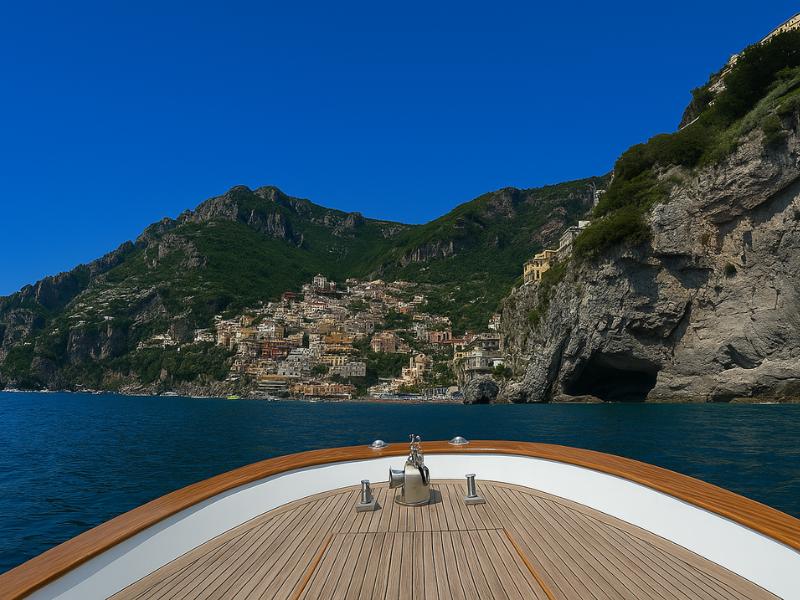
If you’re planning to see the coast from the water, here’s the best month for boat tours on Italy Amalfi Coast tours based on weather patterns, wave conditions, and when ferries actually run.
May: This is it. This is the month everyone should visit if they can only pick one. Daytime temps settle at 20-21°C, perfect for walking without sweating. Nights cool to 17°C, comfortable for sleeping with windows open. Sea temp reaches 19°C, swimmable for about half the population (northern Europeans yes, people from warm climates maybe not). Rain drops to 7 days per month, and when it rains it’s usually brief afternoon showers. Check the actual ferry timetable and operating notices for your route. The landscape explodes in color as spring peaks. Early May before Italian schools let out offers the best crowd balance, while late May starts seeing more visitors but nothing unmanageable.
June: The warm-up to summer. Temps rise to 25°C by day, 21°C at night. Sea temp hits 22°C, universally swimmable and actually pleasant. Rain becomes rare, maybe 5 days total and usually just quick storms. Italian schools break mid-June, so the first 10 days remain relatively calm before domestic tourists flood in. Late June transforms into pre-summer madness as Europeans arrive for extended beach holidays. This is when you start seeing packed SITA buses and ferry routes that sell out by mid-morning. June works if you can time it for the first half, becomes problematic after June 15.
July: Peak summer arrives with force. Temps hit 29°C regularly, occasionally pushing past 30°C. The sea warms to 25°C, bath-like and perfect for swimming. Rain becomes a non-factor, maybe 4 days of brief showers all month. This is when the Amalfi Coast looks like the postcards: blazing sun, turquoise water, people everywhere. Too many people. Beaches at capacity by 10am. Restaurants requiring reservations days in advance. Traffic restrictions kick in with odd/even license plate rules. If you thrive in festive, party-like atmospheres and don’t mind crowds, July delivers. If you want any semblance of tranquility, July fails.
August: Everything about July, but worse. Temperature peaks at 30°C, sea temp maxes at 26°C. Rain? What rain? Maybe 6 days total. This is when 500,000+ visitors crush into 13 small towns. Half a million people. On one coastal road. August brings Ferragosto (August 15), Italy’s national summer holiday when domestic tourism peaks and even locals flee to the coast. Hotels triple their prices. Restaurants run out of tables. Buses become sardine cans. Beaches? Forget it. You’re laying towels on top of other people’s towels. Plan the August visit around your own tolerance for busy places and the confirmed activity calendar.
September: The month splits dramatically. September 1-10 remains peak season chaos as Europeans cling to summer holidays. Then schools restart across Europe, and around September 10-12 a mass exodus occurs. September 12-30 becomes the secret sweet spot: temps still 25-26°C early month, cooling to 21-22°C by month end. Sea temperature holds at 24°C through mid-month, warmer than May and still comfortable through September 30. Rain picks up slightly to 7 days but rarely disrupts plans. The crystal-clear air after summer makes this month legendary for photography. If you can only visit once, September 12-30 is the answer.
October: The gamble month. Early October (1-15) offers conditions nearly identical to late September: 21°C days, 20°C sea, mostly sunny. This is when smart travelers who missed September book. Mid-October (16-31) turns unpredictable. Some years extend summer through Halloween. Other years see rain and 16°C temps arrive by October 20. Ferry schedules start reducing, with most companies ending service by October 25-31. Beach facilities close. Some hotels in smaller towns shut down. October 1-15 remains excellent. October 16-31 requires flexibility and backup plans.
November brings a different planning task: confirm accommodation, restaurants and transport before arranging activities. A lower room price does not by itself make a good-value trip if the services you need are closed. Keep the boat plan optional and check any land-based activity’s dates.
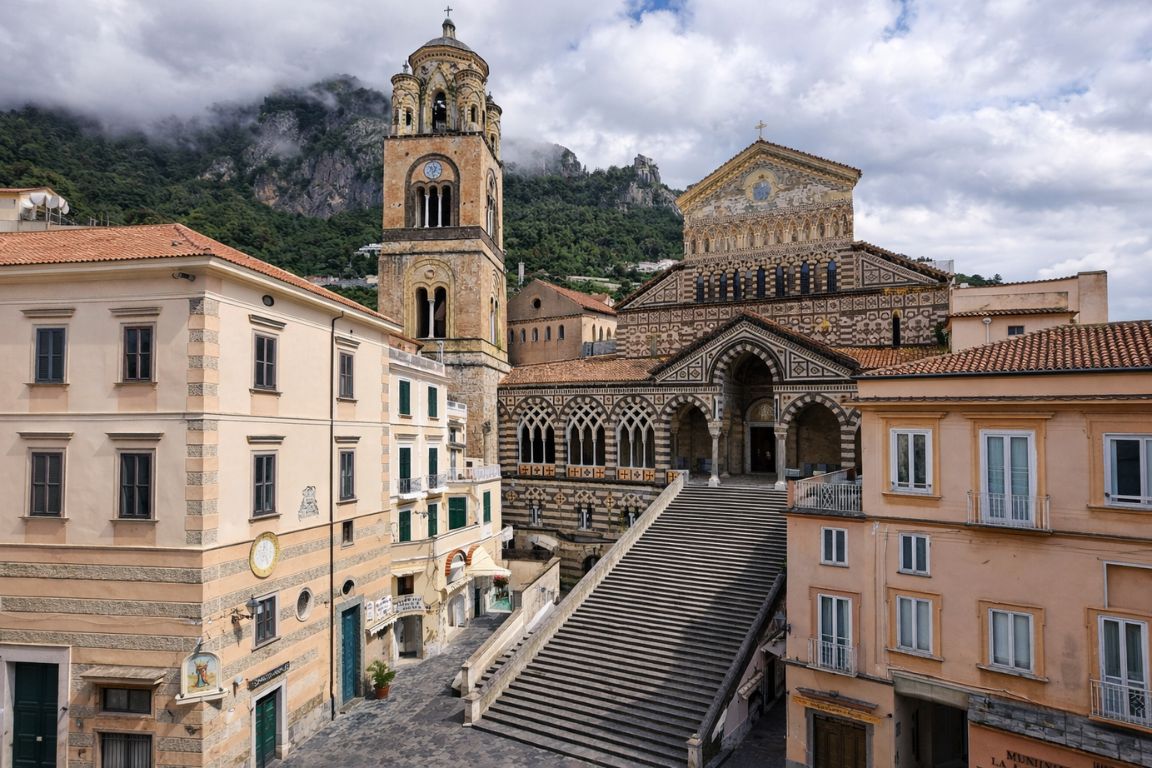
December: Similar to November but with holiday charm. Temps hold at 10-15°C, sea at 16°C. Expect 12 rainy days. Ferries barely operate, mostly weekend routes weather-permitting. Most coastal hotels close, though larger towns like Amalfi and Sorrento keep some properties open. December appeals to Christmas market enthusiasts and people seeking off-season authenticity. The Amalfi Cathedral looks spectacular decorated for holidays. Prices remain low. But you’re trading away beach days, boat tours, and half the restaurant options to get that experience.
Trying to time your Amalfi Coast trip perfectly? For a concrete look at dates in the April–October window, check the Sorrento to Amalfi Coast day trip against the month you are considering. A small-group boat tour from Positano keeps you off the coast road on days when traffic is at its worst. Check the Sorrento to Amalfi Coast day trip for the month you are targeting.
How Do Crowds And Prices Change Throughout The Year?
Hotel prices don’t just fluctuate, they multiply. Same room, same view, different month: €200 in February versus €600 in August. That’s not an exaggeration, that’s actual booking data from Positano properties.
Let me break down the price tiers by month because this determines affordability for most travelers. Rock-bottom prices hit January-February when hotels average €150-250/night for mid-range properties that would cost €500-700 in summer. November runs similar pricing. These months target budget travelers and locals taking weekend breaks.
Moderate prices appear in March, April, and late October, when hotels price at €250-400/night. You’re paying more than winter but getting more open restaurants and better weather. This tier attracts hikers, photographers, and travelers who prioritize cost over beach weather.
High-season pricing kicks in May through June and early September, running €400-650/night for the same properties. Prices reflect the quality of conditions: great weather, full services, manageable crowds. This is where most of our clients book because value peaks even though absolute cost rises.
Peak pricing dominates July through August when hotels hit €600-900/night, sometimes pushing €1,200+ for luxury properties with sea views. September 1-10 maintains these prices. August ranks most expensive statistically, with September second. The premium reflects maximum demand colliding with limited supply. Only 13 towns exist on this coastline, and hotel count is fixed by coastal geography.
Crowd levels don’t track prices linearly. April crowds rate moderate despite lower prices because weather keeps numbers down. May and early June see moderate-high crowds but feel manageable because attractions spread people across more destinations. July-August reach crushing density where Positano’s main beach fits 400 people on 100 meters of pebbles. August specifically sees half a million visitors across towns built for 30,000 residents. The math doesn’t work.
September can become quieter as the season progresses, but no exact date guarantees a sudden crowd drop. Check local holidays, events and the availability for your own dates.
October thins further as ferries reduce schedules and some tourists fear weather uncertainty. November through March see very low crowds, sometimes eerily empty. Walking Positano in February means encountering 20 people total versus 2,000 in August. The solitude appeals to some, feels dead to others.
Use your own travel constraints to narrow the months. School dates, budget, swimming plans and open services are more relevant than an unverified distribution of past bookings.
Restaurant prices stay relatively constant year-round. A €24 pasta dish in August costs €22 in April. The bigger change is availability. August restaurants require reservations 2-3 days ahead for dinner. September after the 15th? Walk-ins work fine. February? Half the restaurants are closed, but the ones open give you prime tables without waiting.
Need to save money along the coast? Our guide on budget activities on Italy Amalfi Coast tours shows you what you can do without spending much and what’s actually worth the splurge.
| Travel window | Cost and crowd planning |
|---|---|
| Winter | Compare the rooms that are actually open and include any extra transport needed. |
| Spring | Check Easter and other holiday dates alongside accommodation and activity calendars. |
| Summer | Reserve your chosen room and outing from current availability; allow for busy ports and town centers. |
| September | Compare exact dates without assuming an overnight change in crowds or prices. |
| October | Check closing dates and cancellation terms before treating a lower quote as better value. |
Pricing based on 3-star hotels with sea views in Positano/Amalfi | Crowd density relative to infrastructure capacity | Data from 2025 season bookings
Curious how the alternatives differ? Explore coast cruise and path of the gods hike through what each quote includes and the extras to add. Discover Coast Cruise & Alternatives
Which Months Get You The Best Experience?
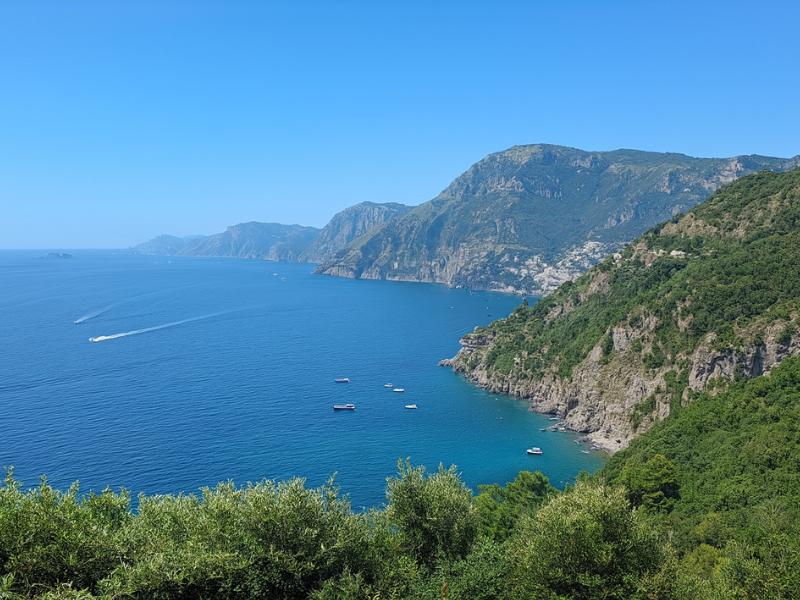
Best month depends on your priorities. Start with the experiences you want and the dates you can travel.
For beach lovers: Consider the warmer months, but check the expected conditions near your actual date and keep swimming optional. A seasonal average cannot guarantee comfort or safe water entry.
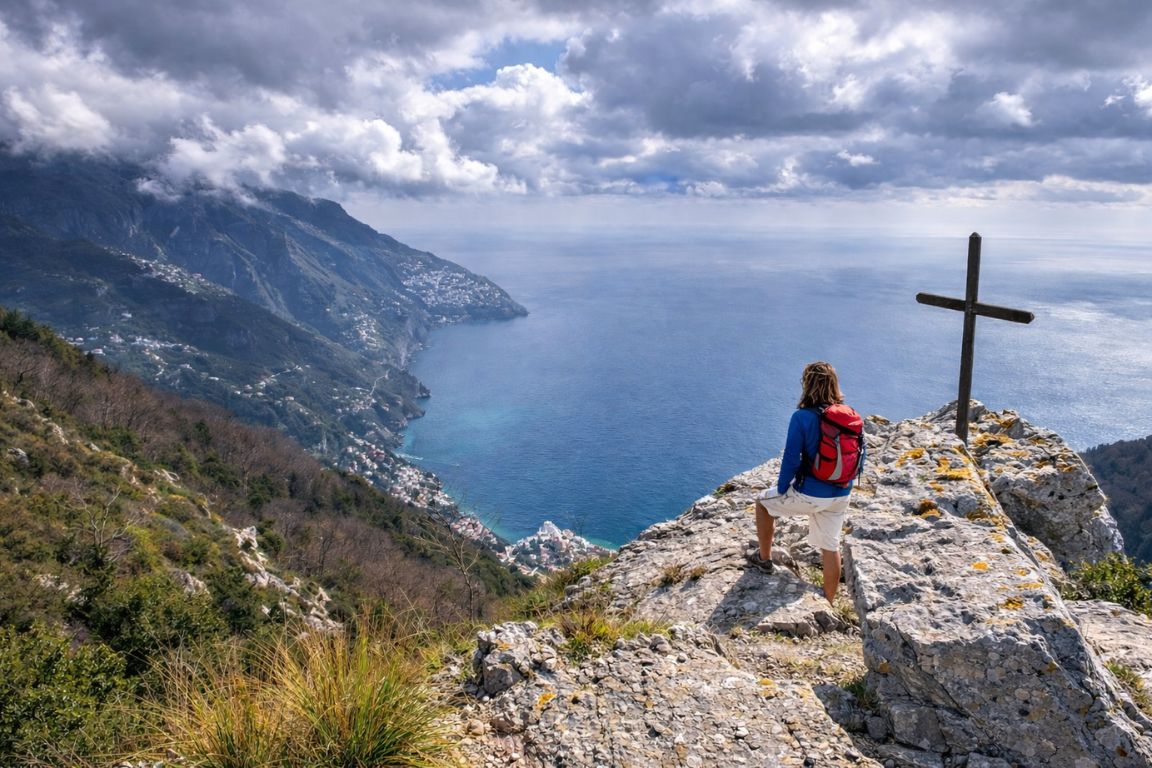
For hikers and photographers: Spring and autumn can suit a walking-focused itinerary. Check the current trail and weather advice, daylight, and transport to the starting point before choosing a hike.
For budget travelers: Compare the rooms and services actually open on your dates. A lower winter room quote can come with fewer dining and transport options, so include those costs in the decision.
For couples seeking a quieter visit: Compare spring and autumn dates and consider the timing within each day. No specific week guarantees empty restaurants or town centers.
For first-time visitors: May and September are useful starting points, provided the accommodation, transport and activities you need fit your actual dates.
For families: School schedules may narrow the choice. Check each activity’s age, boarding and other requirements rather than assuming a summer or family label establishes suitability.
For festival visitors: Use the organizer’s current program to choose dates, then plan accommodation and the return journey around the specific event.
First time visiting the coast? Here’s how to plan a trip to Italy Amalfi Coast tours so you don’t show up unprepared for the transportation challenges or book the wrong base town.
What Closes When And Why Does It Matter?
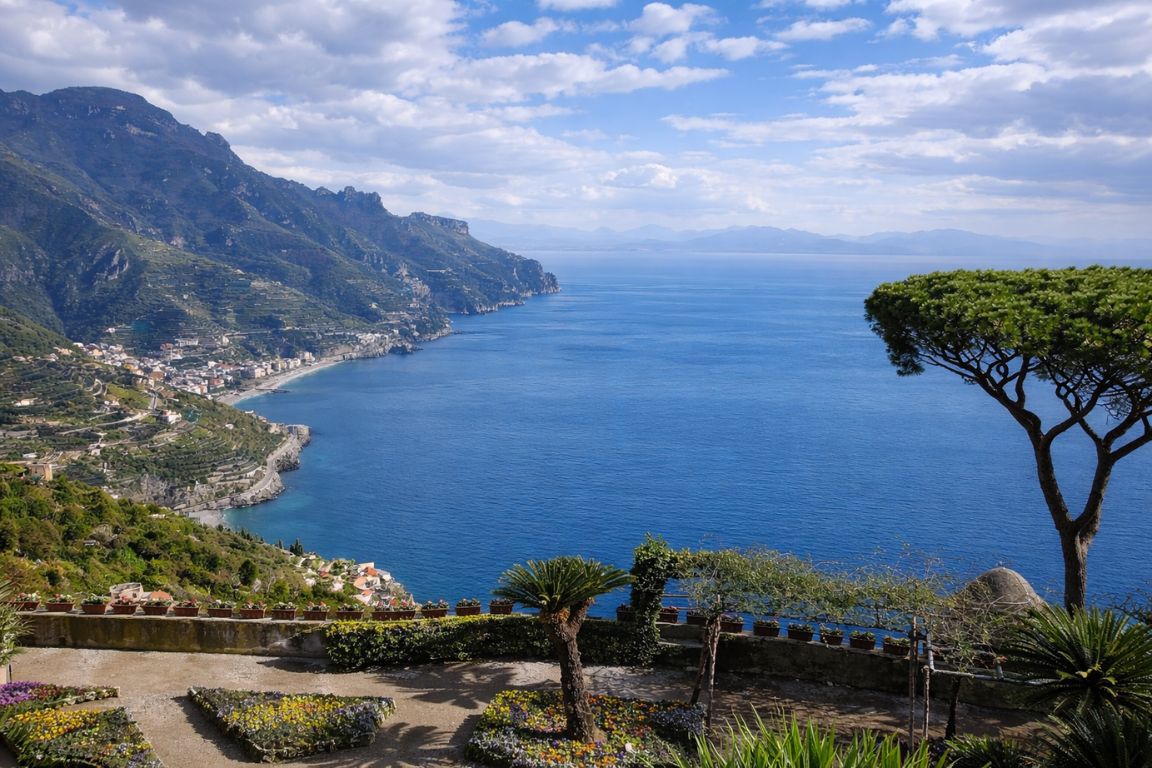
Closure schedules ruin winter trips for people who don’t research. “The Amalfi Coast is open year-round” technically true, practically misleading.
Ferry schedules tell the real story. Full service runs late March through late October, with most companies starting around March 20-25 and ending October 25-31. During this window, you get 8-12 departures daily on main routes like Amalfi-Positano, Sorrento-Positano, and connections to Capri. November through March, ferries reduce to weekend-only service on limited routes, often just Salerno-Amalfi-Positano on Saturdays and Sundays. Weekday ferry travel becomes nearly impossible. This matters because ferries are the best way to experience the coast.
Wind and swell can suspend ferry routes in any month. Check the current operator notices and the land alternative, including its last departure, before making a sailing essential to your plan.
Seasonal restaurant closures vary by town and business. Confirm a few dining options near your accommodation, especially if you will arrive late or depend on a particular dietary arrangement.
Hotel opening dates vary by property. Check your actual travel dates rather than assuming that a percentage of the town is open, and consider how you will reach the activities you want.
Beach facilities (umbrellas, loungers, beach clubs) operate May through September, sometimes extending into early October. After October 15, beaches remain accessible but services disappear. You can still go to the beach in November, you just sit on pebbles without amenities and the water is 18°C.
Villa Rufolo and Villa Cimbrone in Ravello stay open year-round with winter hours (typically 9am-4pm versus 9am-6pm in summer). The Amalfi Cathedral maintains daily access. Major attractions don’t close, but their hours shorten and surrounding amenities (cafés, shops) may close.
Boat tour operators work strictly seasonal. Most run April through October, with some stretching to November if weather allows. December through March, boat tours cease except occasional private charters that charge premium rates. This means winter visitors lose access to grottos, hidden coves, and water-based perspectives of the coast.
The closure impact compounds. Winter visitors face limited hotels, reduced restaurant choices, minimal ferry service, no boat tours, and abbreviated villa hours all simultaneously. People who research this find it acceptable. People who assume “Italy is open” arrive to find Positano resembling a ghost town and their romantic dinner options down to three restaurants instead of twenty.
Spring reopening and autumn closing dates vary. Confirm the accommodation, transport and individual activities you need before paying for a trip built around them.
We’ve mapped out a budget Amalfi Coast itinerary because the coast doesn’t have to cost a fortune when you know which towns to prioritize and where to save.
How Should You Pack For Each Season?
Most people overpack for summer and underpack for shoulder seasons. Let me give you the actual packing list by season based on 12 years watching tourists make mistakes.
Summer (June-August): You need less than you think. Daily uniform is shorts, t-shirt, sandals. Evening adds a light layer. Bring swimwear (obviously), one nice outfit for restaurants (beachwear isn’t appropriate at better restaurants), sunscreen (European sun is strong), hat, sunglasses. That’s it. Common mistakes: Bringing jeans (too hot), packing three pairs of shoes (you’ll wear sandals 90% of the time), overpacking clothes (you’ll wear the same shorts three days straight). One small suitcase per person works fine.
Shoulder season (April-May, September-October): This requires more strategy. Layers matter. Bring light sweater or jacket for evenings (temps drop from 25°C day to 17°C night in May). Long pants for hiking or cooler mornings. Swimwear if visiting May-September, skip it for April or late October. Rain jacket for April and October. Comfortable walking shoes because you’ll hike more than in summer. One nice outfit for dinners. Scarves work well for April temperature swings.
Winter (November-March): Pack like you’re visiting San Francisco, not Florida. You need warm layers, waterproof jacket, umbrella, closed-toe shoes (sandals won’t cut it). Temps range 10-15°C, which sounds mild but wind chill makes it feel colder on exposed coastal paths. Bring sweaters, long pants, and a coat. Skip swimwear entirely unless you’re doing a wetsuit swim. Winter visitors who pack summer clothes spend the trip cold and wet.
Specific month considerations: April brings rain so pack waterproof everything. May allows lighter clothes but bring one warm layer. June-July-August go full summer mode. September mirrors May for packing. October needs rain gear again. November requires full winter wardrobe.
Common packing mistakes by month: August visitors bringing long pants and jackets (you won’t wear them). April visitors packing only summer clothes (you’ll freeze in the rain). October visitors assuming it’s still summer (it’s not). November visitors packing light (you need winter clothes).
What everyone should bring year-round: Comfortable walking shoes (the coast is vertical with endless stairs), reusable water bottle, phone charger, small daypack for ferry rides or hikes. What nobody needs: More than two pairs of shoes, formal wear beyond one nice outfit, beach towels (hotels provide them).
Pack for your chosen activity as well as the month, particularly footwear and layers for a hiking day. Check the hiking preparation guide
What Events And Festivals Happen When?
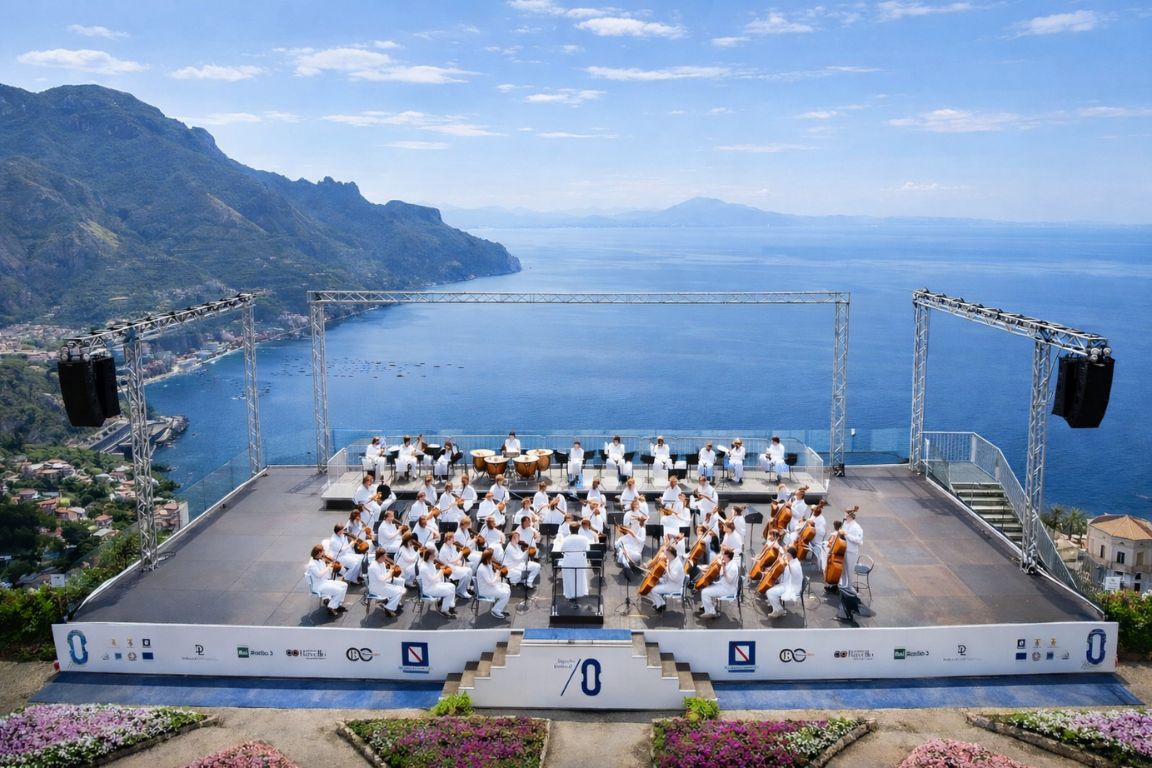
Local festivals make certain months special beyond just weather. If you’re flexible on timing, coordinating with major events can enhance your trip.
April brings Easter celebrations (late March or April depending on the year). Holy Week features religious processions in all major towns, particularly impressive in Amalfi and Sorrento. Crowds increase during Easter week, hotels fill up, and prices spike temporarily. If you’re visiting for Easter, book months ahead.
May hosts Ravello’s start of the concert season at Villa Rufolo, though the main Ravello Festival runs June-September. May events are smaller, more intimate. Late May sometimes sees the Regatta of the Ancient Maritime Republics if it’s Amalfi’s turn (rotates between four cities every four years). When this happens, hotel prices jump and the town packs with Italian tourists.
June kicks off the Ravello Festival proper (June-September), featuring classical music concerts in stunning garden settings. June also sees various Saint’s Day festivals with processions, especially St. Anthony (June 13) in multiple towns. Summer festivals bring evening energy with outdoor performances.
July continues Ravello concerts and adds local patron saint festivals. Praiano celebrates Madonna della Grazie in early July with fireworks and beach processions. These local festivals provide authentic glimpses into community life beyond tourism.
August dominates with Ferragosto (August 15), Italy’s biggest summer holiday. Positano’s Festa della Madonna Assunta centers on August 15 with fireworks, processions, and all-night celebrations. This weekend sees maximum crowds and maximum chaos. The first week of August brings the Sfogliatella festival in Conca dei Marini celebrating the shell-shaped pastry. August packs with festivals because Italians are all on vacation.
September winds down the Ravello Festival (ending late September). Early September still catches some August festival energy. After September 15, things quiet down as festivals end and focus shifts to harvest season.
October features wine harvest celebrations in nearby areas and chestnut festivals in mountain towns like Scala. These feel more local and less touristy. October weekends sometimes host food festivals celebrating local specialties.
November brings the Festival of Sant’Andrea on November 30 in Amalfi, one of the coast’s largest religious festivals. This draws Italian visitors and provides reason to visit an otherwise quiet month. November also starts Christmas market season in Salerno (nearby), though Amalfi Coast towns themselves don’t have major markets.
December focuses on Christmas celebrations, nativity scenes (presepi), and small local markets. December 8 (Immaculate Conception holiday) through January 6 (Epiphany) sees hotels and restaurants reopen briefly after November closures. Christmas period costs more than general winter but less than summer.
Event timing strategy: If you want festivals, visit during June-August for maximum options. If you want to avoid festival crowds, skip Easter week, Ferragosto weekend, and the last week of July. If you’re specifically attending Ravello concerts, check their schedule and book accordingly since some performances sell out.
Curious about more than just the views? Here are the best things to do on the Italy Amalfi Coast tours – activities that make the trip memorable beyond Instagram shots.
Keep a festival or concert evening free and plan the town visit around the organizer’s confirmed schedule. Plan the host town visit
How To Choose A Month Without An Expectation Mismatch
The month affects which experiences and services fit your trip. Choose it around your priorities, then verify the details for the actual dates.
Start the month decision with what is fixed: your travel dates, budget, preferred base and the activity you would be disappointed to miss. Work outward from those constraints.
An August plan should allow for busy public spaces and transport. Reserve time to reach the meeting point and keep independent town time flexible rather than expecting an empty postcard scene.
For April, include both a preferred outdoor experience and a useful land alternative. The benefit of flexibility is keeping the day worthwhile if a sailing or hike cannot go ahead.
A winter visit works best when you are content with the services actually open. Check accommodation, dining and transport before using a low room price to decide.
For May or September, choose the dates that suit your actual itinerary. Neither month guarantees warm swimming, quiet towns or perfect weather.
For June, consider school holidays and local events alongside the route and departure time. A date early in the month is not a guarantee of low crowds.
For October, check closing dates and keep the weather plan flexible. The earlier and later parts of the month can differ, but the actual forecast and operating calendar matter most.
You do not need to follow the most frequently recommended month. Choose the one that fits the activities and pace you value, then check the practical details.
For a return trip, a different month may support a different experience: walking, food, quiet town time or swimming. Make that choice from your interests rather than an unverified repeat-booking percentage.
| Trip priority | What to compare |
|---|---|
| Swimming | A warm-season boat itinerary, actual conditions and personal comfort. |
| Walking | Trail requirements, daylight, forecast and transport to the start. |
| Quiet towns | Timing within the day as well as the month; consider alternative towns. |
| Budget | Available accommodation and full travel costs, rather than a fixed seasonal discount. |
| Food | The specific class or tasting menu and the operator’s dates. |
| Festivals | The organizer’s current program, accommodation and return transport. |
Data from 840 Italy Amalfi Coast Tours clients, 2025 season | Satisfaction scores based on post-trip surveys | Regret percentages show clients reporting that specific issue
Choose the outing before filling the rest of your day. Compare coast cruise and path of the gods hike by the experience you want and dates that fit your stay. Choose Your Coast Cruise Or Alternative
FAQ: Amalfi Coast By Month
Which experience is worth making time for? The shortlist connects the experience you want and dates that fit your stay with sea views and swimming. Discover Coast Cruise & Alternatives
Is May or September better for visiting the Amalfi Coast?
Choose May if you prefer a spring visit and late September if an autumn visit fits better. For swimming, check likely conditions near your actual date; neither month guarantees warm water, clear skies or lower prices.
Have a coast day in mind? Check your cruise date before arranging the rest of the day. See the cliffs from the water and take swimming breaks, with snorkeling gear and drinks included. Choose Your Coast-Cruise Date
Can I swim in the sea in April or October?
April water temp at 15°C is too cold for most people except hardy swimmers or wetsuits. October starts at 20°C early month (comfortable for many) and drops to 18°C by month end (borderline). If swimming is a priority, visit May through September. If you don’t mind cool water, early October works.
Treat shoulder-season swimming as optional and read the water-focused planning guidance before reserving. Plan a shoulder-season boat day
What’s the worst month to visit the Amalfi Coast?
The least suitable month depends on your priorities. Peak summer needs planning around busy towns, while winter needs checks for open services and transport. Any boat-focused visit requires weather flexibility.
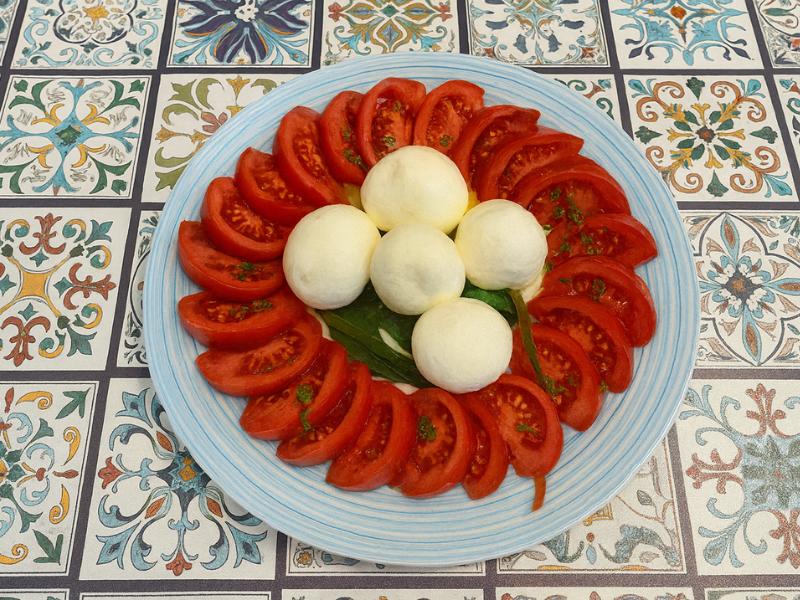
What happens when you step into an Amalfi kitchen? Make local dishes in an Amalfi-area cooking class, with a choice of menus and a tasting of your work. Discover The Amalfi Cooking Menus
How bad are crowds really in July and August?
Town centers, beaches and transport can be busy in July and August. Check your preferred dates and allow time at the dock or bus stop rather than relying on unsupported crowd counts or capacity percentages.
Have a coast day in mind? A coast boat spends part of the day away from the town streets, though its meeting points can still be busy. Choose Your Coast-Cruise Date
Do hotels really close in winter?
Some hotels close seasonally, with dates varying by property. Confirm the room and nearby services for your actual stay, and compare base towns if your first choice has limited options.
Confirm the accommodation and local transport first before committing to a winter activity. Review base-town choices
When do ferry schedules start and end?
Ferry seasons and frequencies vary by route and company. Check the current timetable for your exact ports and dates, particularly in winter or the spring and autumn transition periods.
Check the operator timetable for your exact route and day before arranging a connecting excursion. Plan seasonal connections
Is April worth visiting despite the weather risk?
April can suit travelers who keep their plans flexible and are content with cooler water. Check current operator dates and preserve a land alternative; do not expect guaranteed conditions.
What could a kitchen session add to a day off the water? Make local dishes in an Amalfi-area cooking class, with a choice of menus and a tasting of your work. Discover The Amalfi Cooking Menus
What’s the cheapest month to visit?
Compare current winter room quotes with the months you can travel. Include any additional transport and limited service choices when judging value; no fixed saving is guaranteed.
Ready to visit the Amalfi Coast at the perfect time? Road and boat days on this coast run April through October; the Sorrento to Amalfi Coast day trip covers Positano, Amalfi and Ravello in that window. Check current calendars once your travel dates are fixed, and review the cancellation terms before booking. To match a date to ferry season, start with the Positano boat tour or the skip-the-line Pompeii tour from Sorrento if you are coming in a month when boats are unreliable. Check dates for the Sorrento to Amalfi Coast day trip in the month you are actually traveling.
Have your travel day in mind? Match the experience you want and dates that fit your stay before making separate activity bookings. Choose Your Coast Cruise Or Alternative