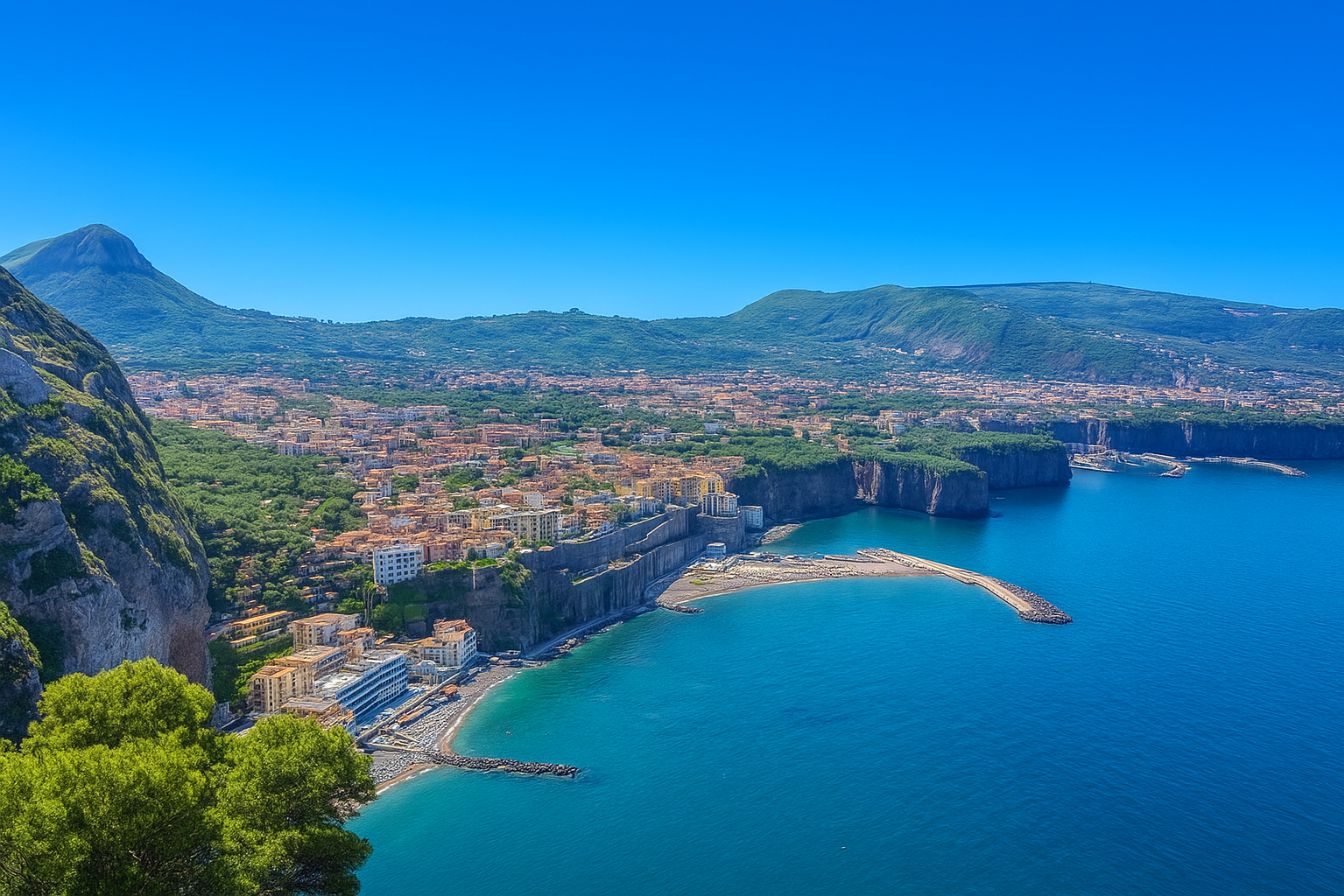
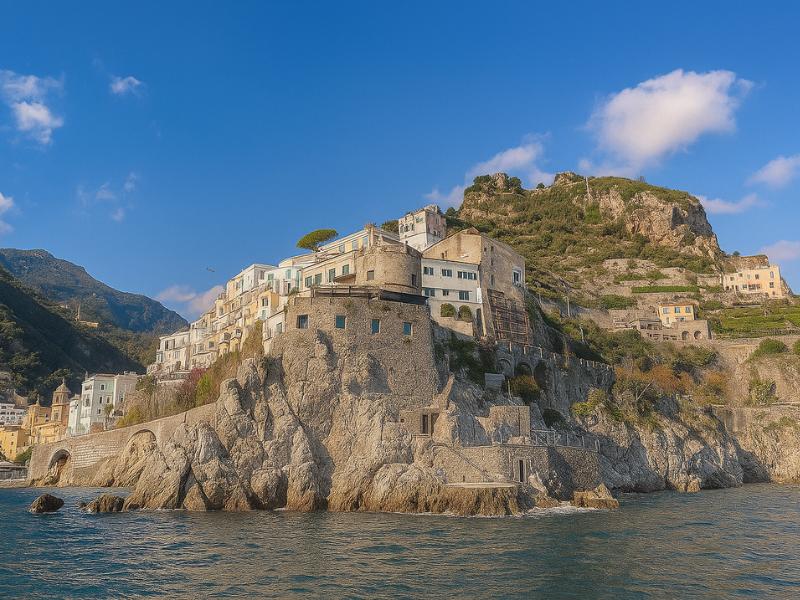
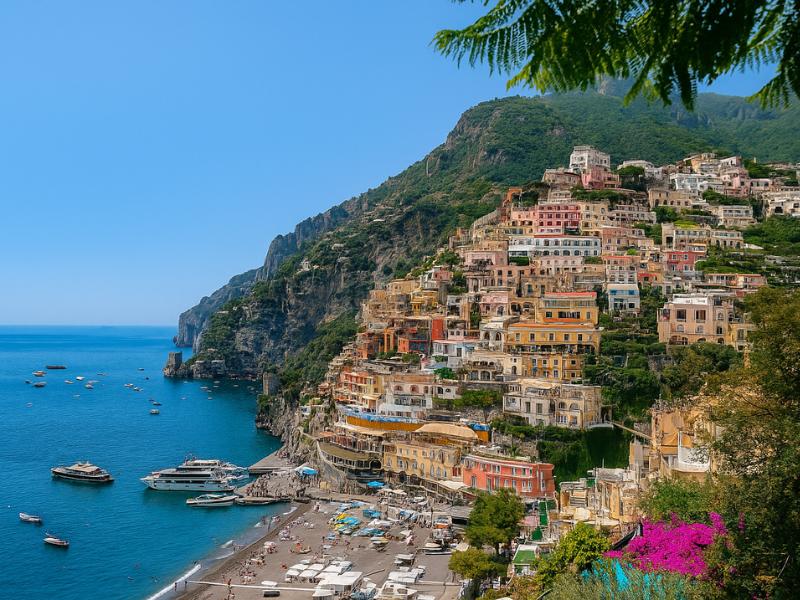
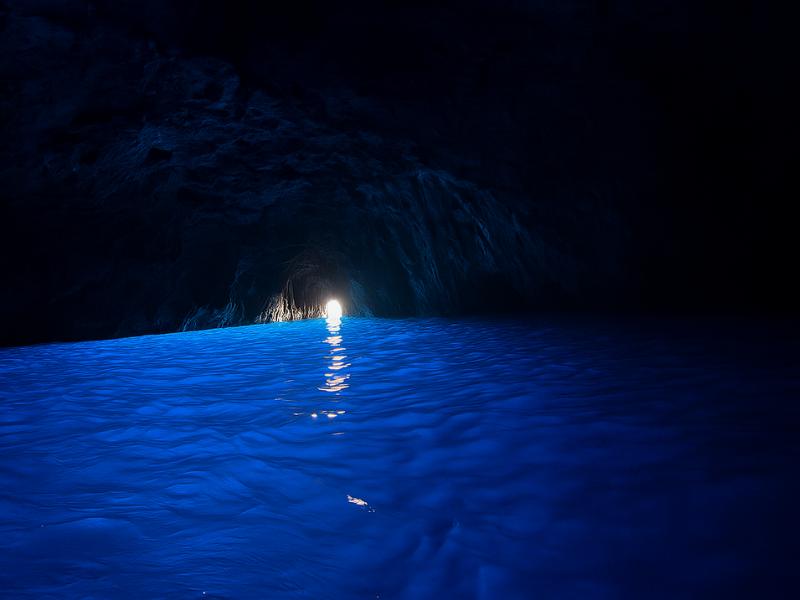
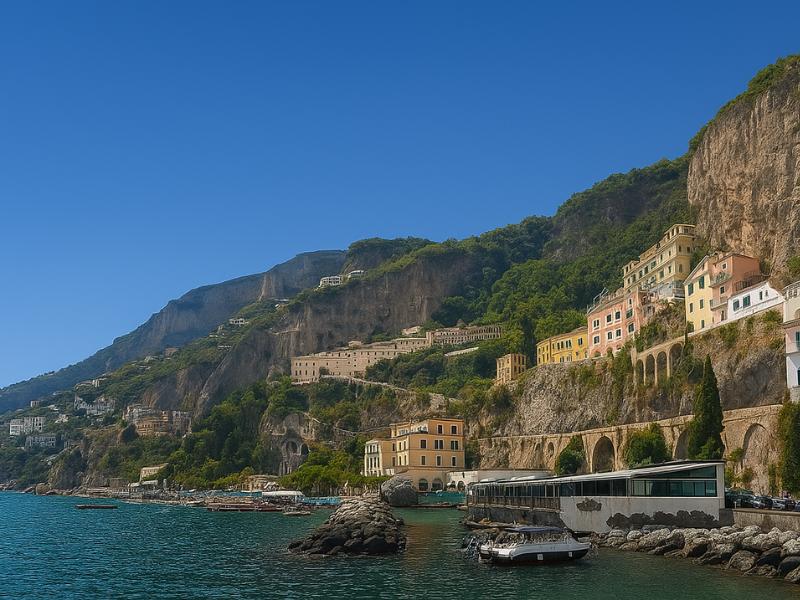
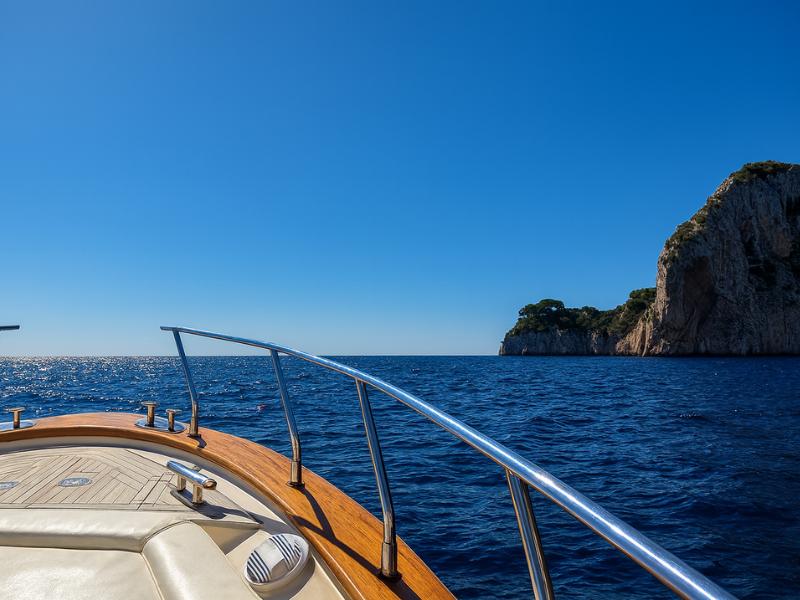
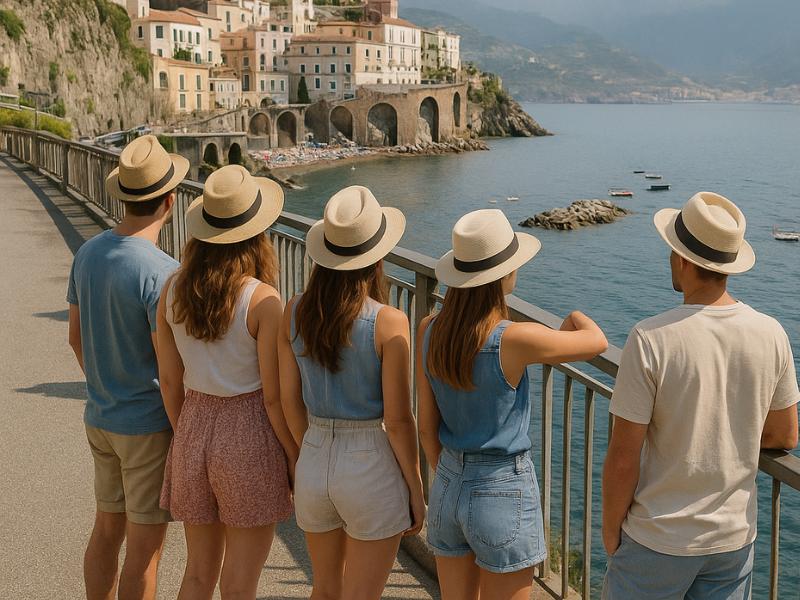
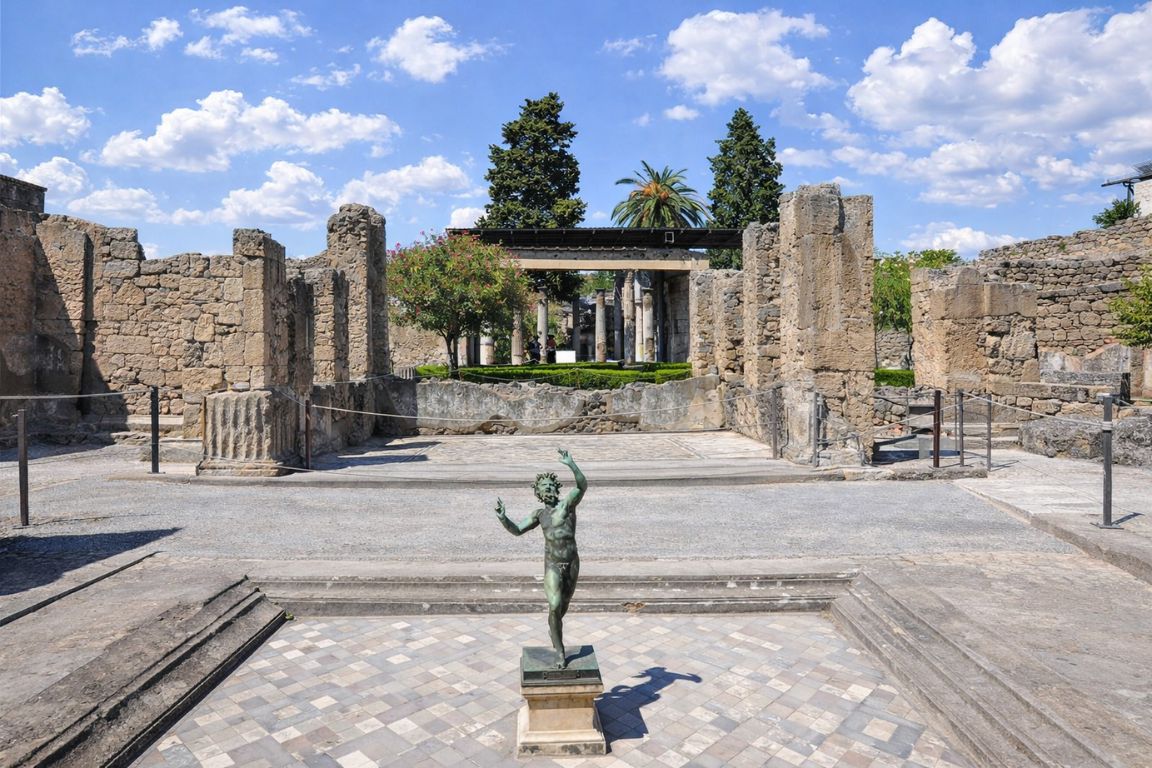
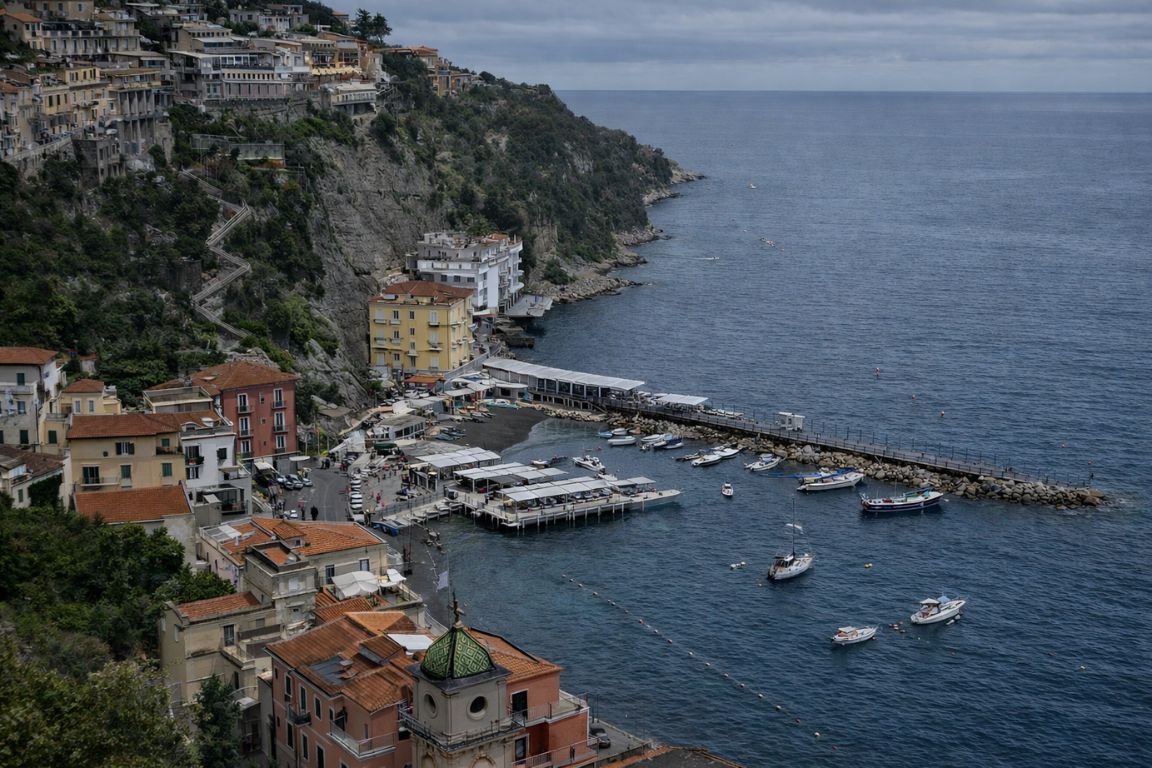
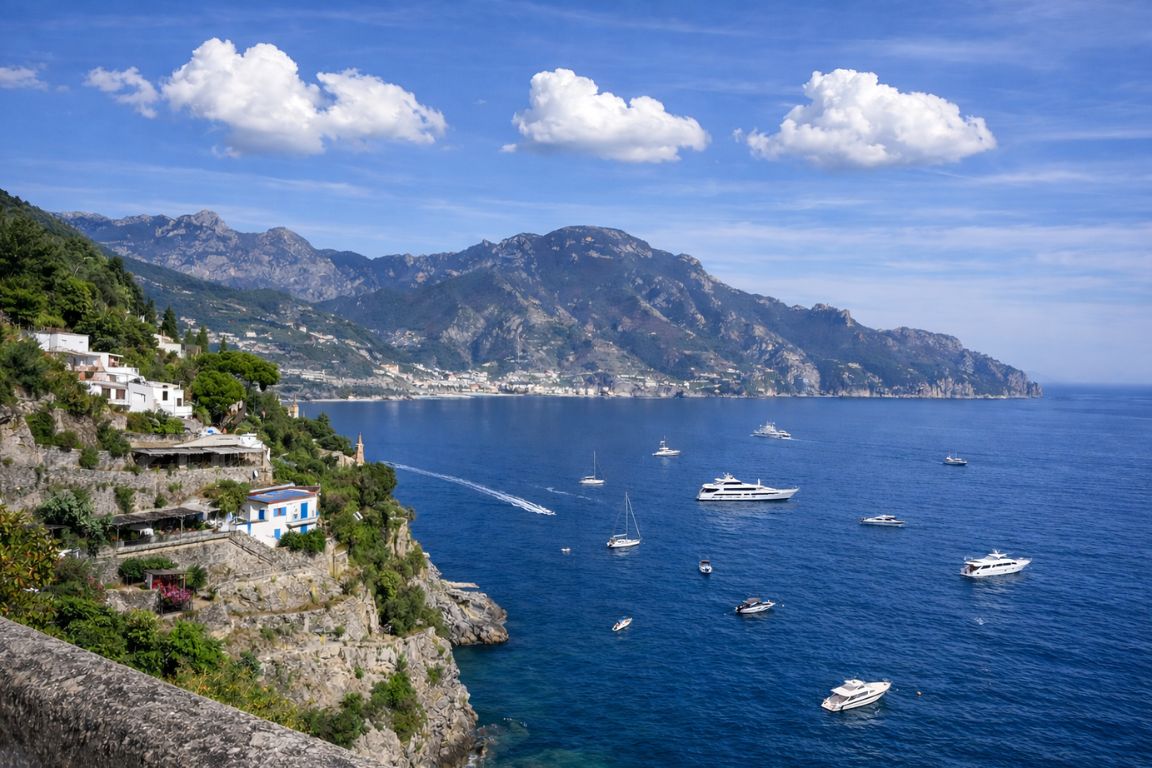
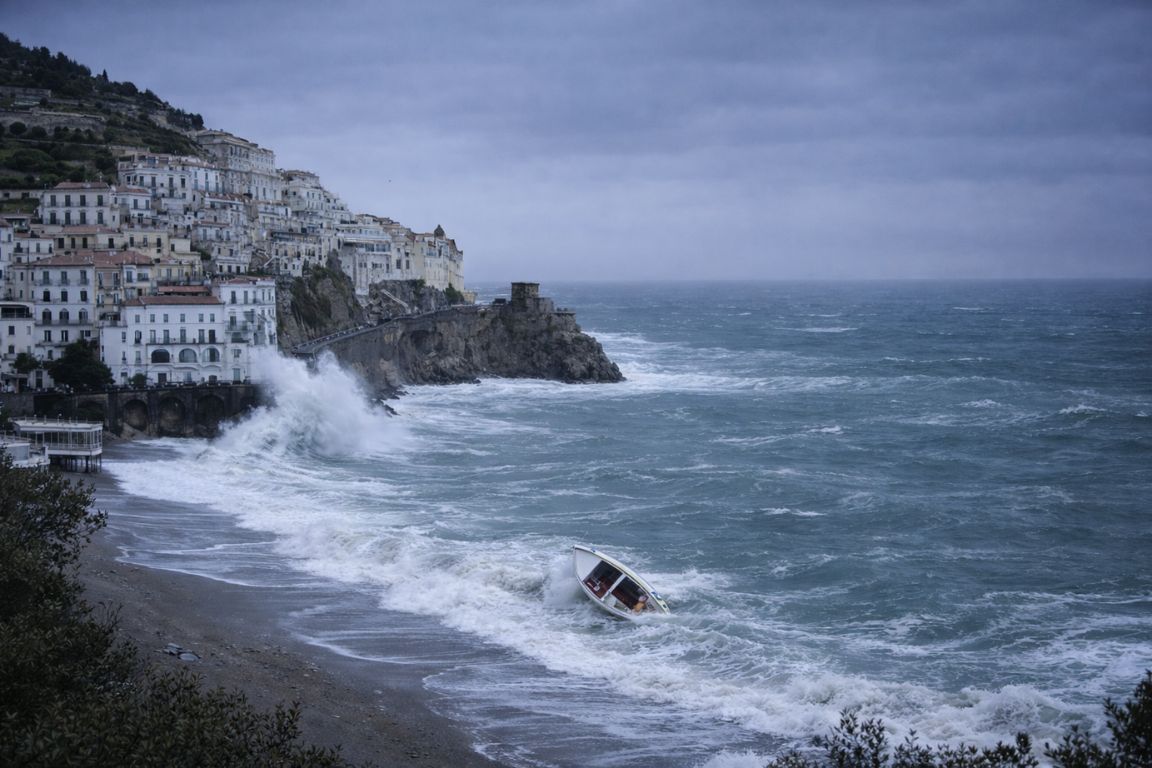
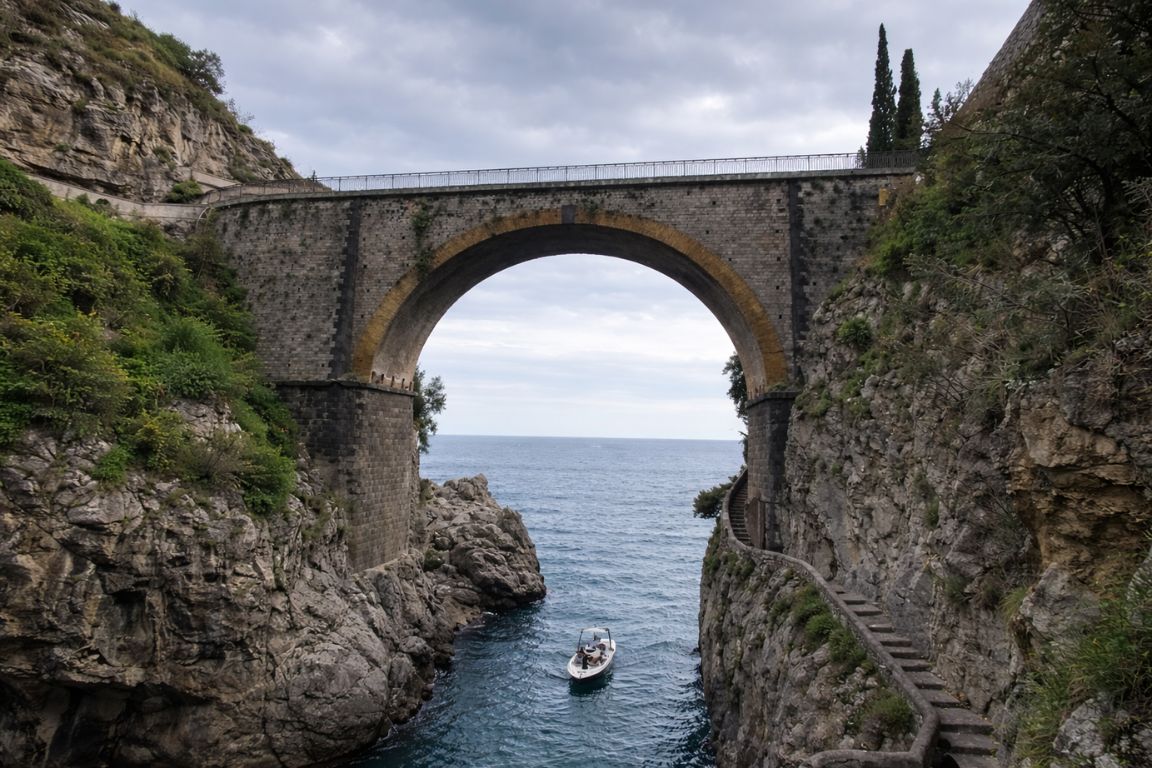
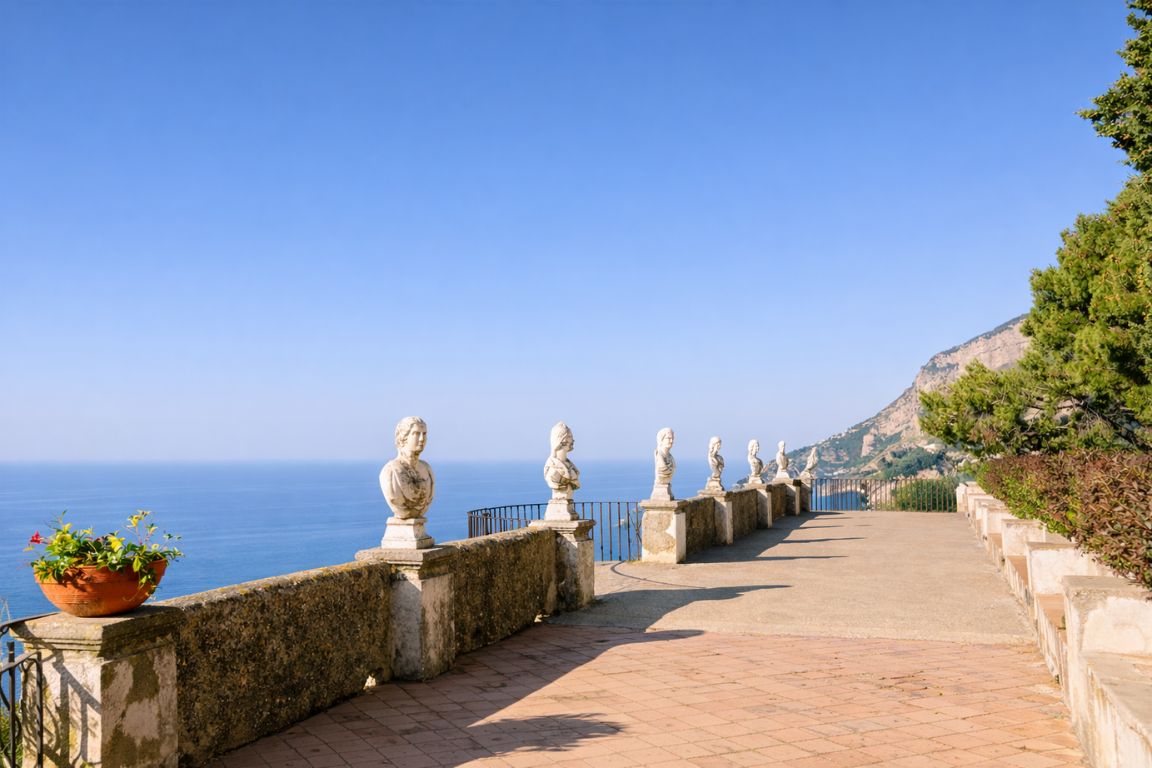
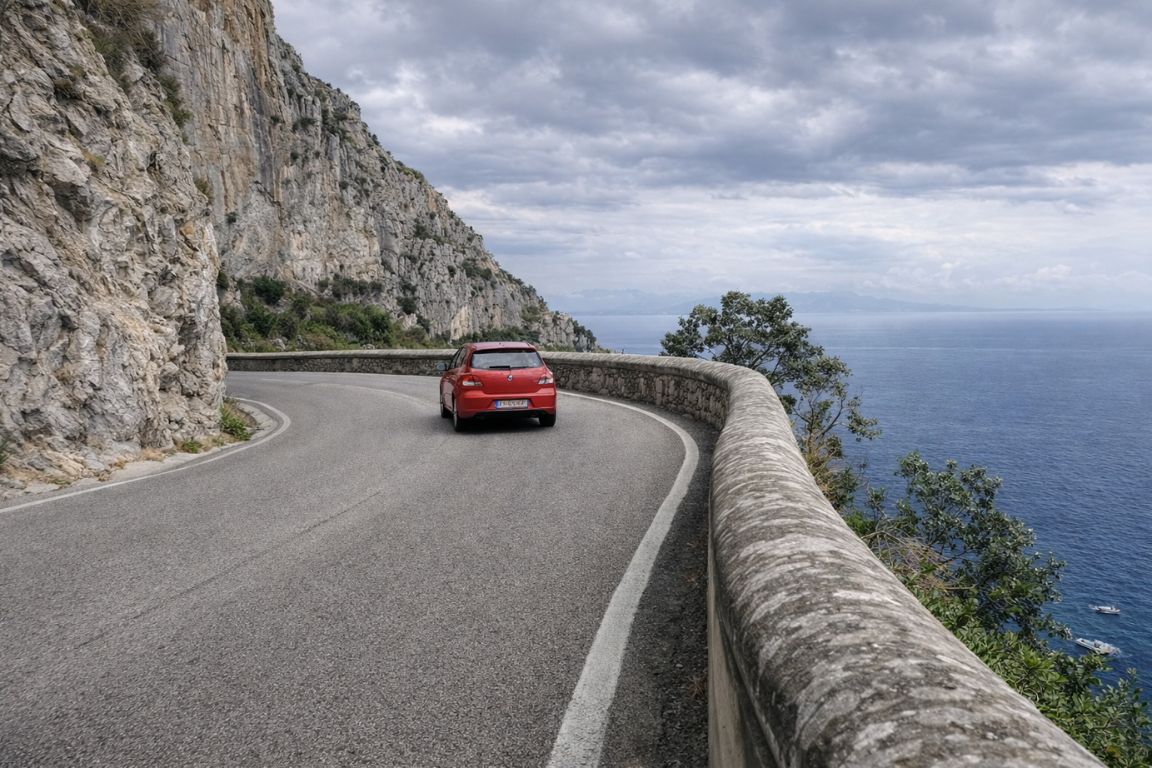
The Amalfi Coast is where colorful villages tumble down cliffs to meet turquoise waters, and every turn in the road reveals another postcard view. Our local guides at Italy Amalfi Coast Tours will take you through charming towns like Positano and Ravello, down to hidden beaches, and into family-run restaurants where the limoncello flows and pasta is made fresh daily. From boat rides along dramatic coastline to sunset views that take your breath away, these Italian adventures create memories that last a lifetime.
Our Amalfi Coast tours hit Positano, Amalfi, and Ravello in one day from Sorrento or Naples. Small vans, cliff roads, free time in each village, limoncello, sea views, no big buses.
Amalfi Coast villages tour from Sorrento – air-conditioned mini-coach along the famous cliffside road, free time in Positano, Amalfi and Ravello to wander, shop and photograph jaw-dropping sea views, expert driver-guide and small-group vibe included (full day).
Journey along Italy’s stunning UNESCO-listed Amalfi Coast visiting three beautiful towns, beginning in Sorrento for a walking tour through charming streets with limoncello tasting, stopping at Madonnina viewpoint for breathtaking photos before arriving in Positano—this exclusive tour limited to 18 participants includes rare downtown access to wander staircase streets or relax by the beach with optional seaside lunch featuring panoramic views, then continuing to Amalfi to visit the stunning St. Andrew’s Cathedral or indulge in local gelato by the shore, all with air-conditioned transportation, knowledgeable guide, and flexible itineraries accommodating coastal road conditions.
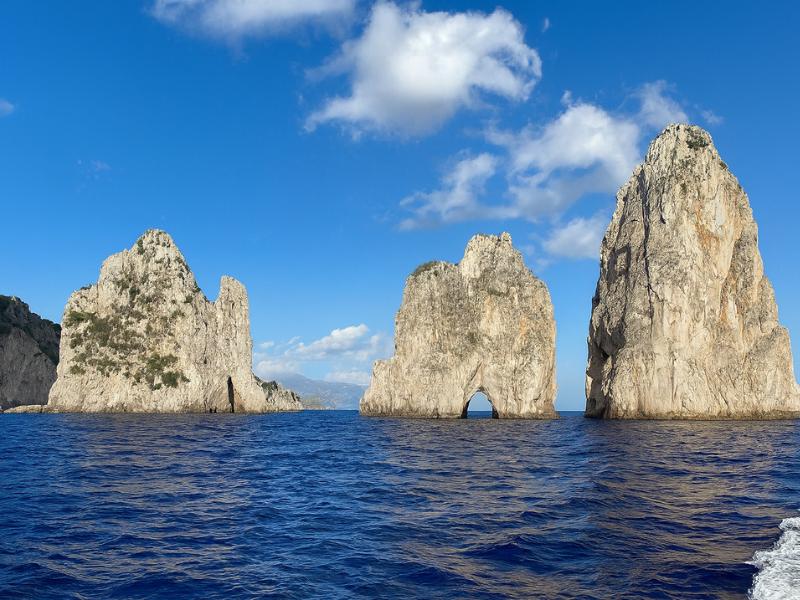
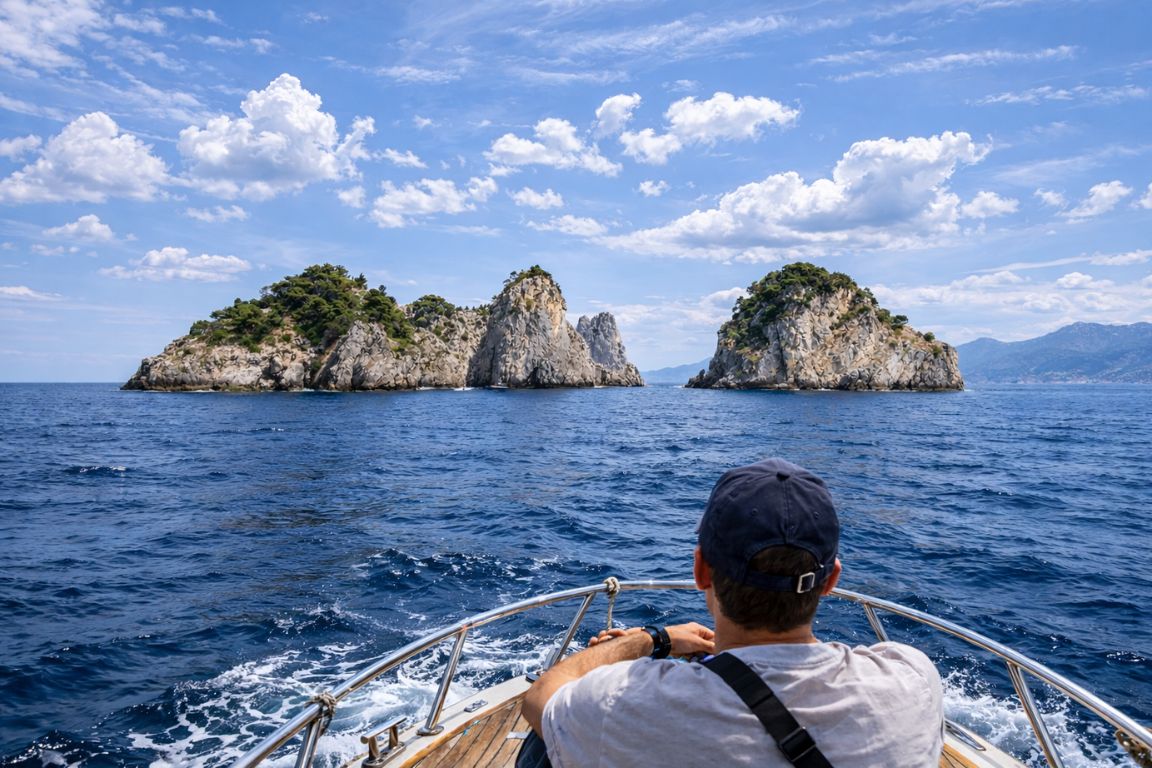
Early Blue Grotto escape from Sorrento – beat the lines with first-light entry into Capri’s glowing cave, circle the island past Faraglioni rocks, swim stops in crystal coves, sundeck relaxation with drinks + snacks, free time in Marina Grande village, small-group boat included.
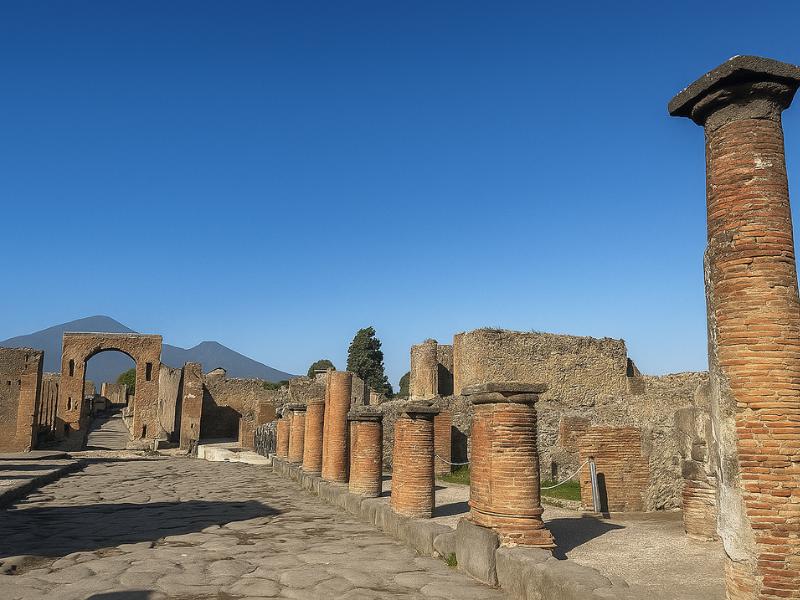
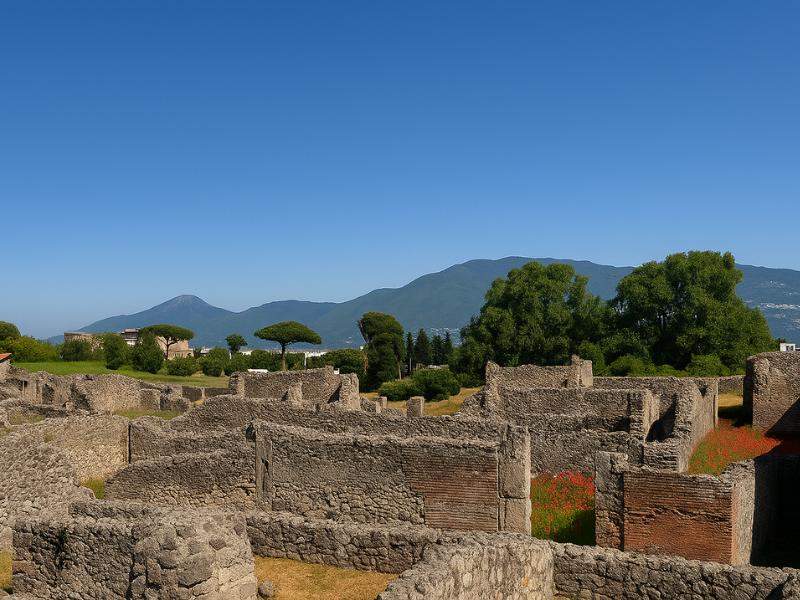
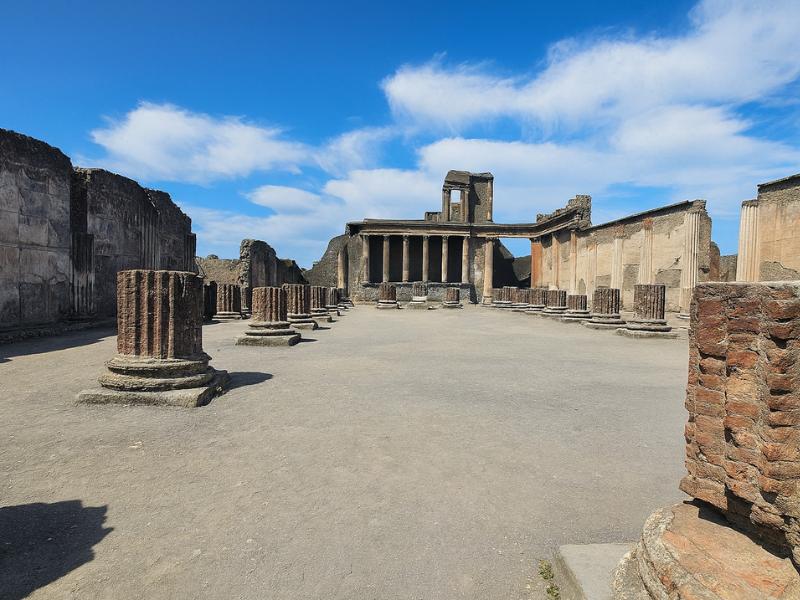
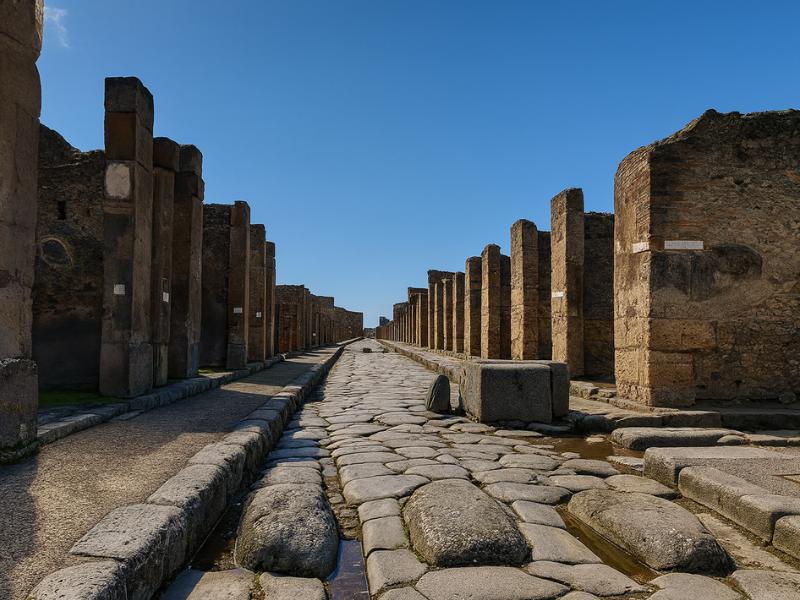
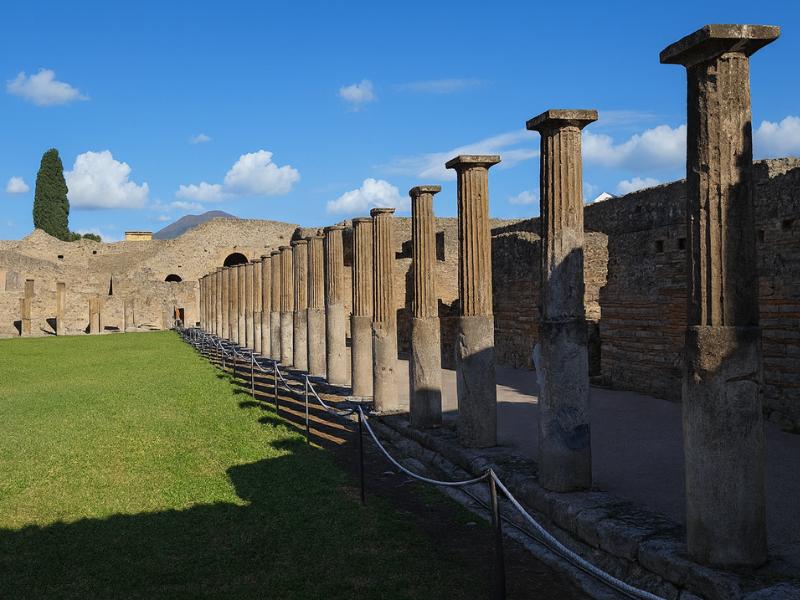
Delve into ancient Roman history by visiting two of the world’s most important archaeological sites—Pompeii and Herculaneum—with an expert archaeologist guide who brings the ruins to life for the untrained eye, learning about the fascinating history and architecture of these two cities tragically buried by Mt. Vesuvius’ catastrophic eruption in AD 79, taking in the highlights and most significant discoveries of both sites in just a few hours with professional insights that illuminate daily life in these remarkably preserved ancient Roman communities.
Pompeii & Amalfi Coast escape from Rome – luxury WiFi coach, skip-the-line expert-guided tour of ancient streets, villas and frescoes, free time for lunch, scenic cliffside drive to Positano for colorful lanes, Santa Maria Assunta Church, ceramics shopping or seaside café, full-day adventure.
Naples to Positano & Amalfi day trip – comfortable bus with audio guide, free time in Positano to wander cliffside cafes, fashion shops and photograph Santa Maria Assunta church, continue to Amalfi (boat transfer in summer), taste local limoncello, explore postcard lanes and Sant’Andrea Cathedral, round-trip transport included (full day).
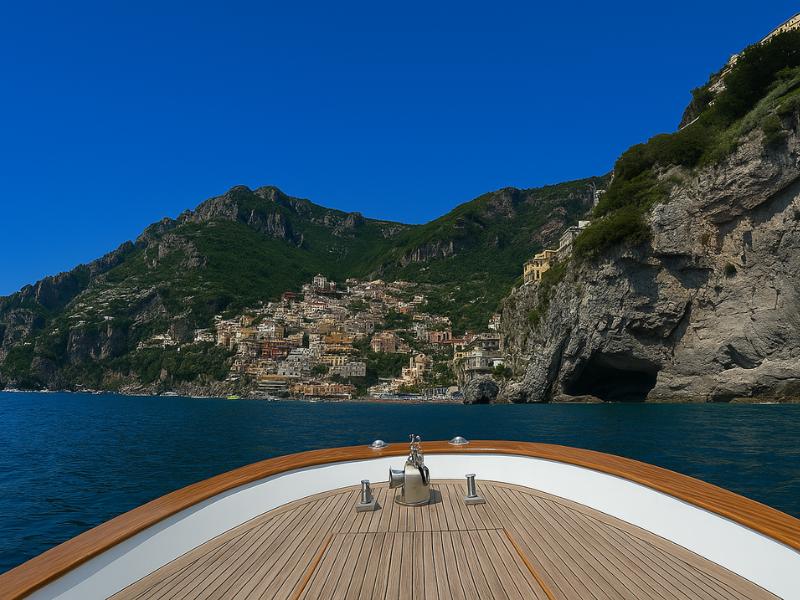
Our Amalfi Coast boat tours cruise past Positano and Capri to hidden grottos, emerald coves, and private beaches only reachable by sea. 6-8 hours, small boats, swim stops, prosecco on deck, pure coastline eye candy.
Small-group boat escape from Positano – cruise dramatic cliffs and hidden villages, swim + snorkel at Fiordo di Furore and Praiano, ~2 hours free time in your choice of Amalfi Coast town, expert skipper and intimate vibe included (full day).
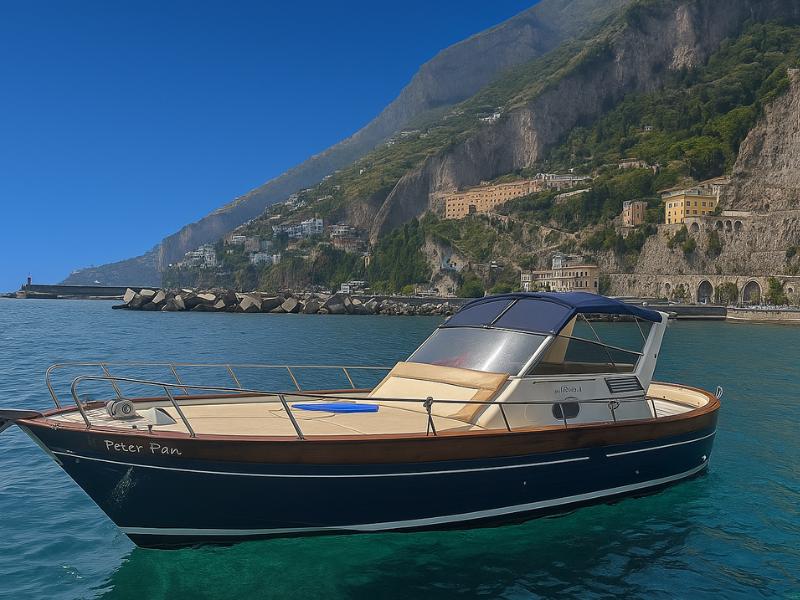
Small-group Gozzo boat cruise from Amalfi/Positano (max 10 guests) – swim + snorkel at hidden beaches like La Porta, explore glowing grottoes including Saint Andrew’s Cave and Africana Grotto, cruise past Furore fjord and Sophia Loren’s villa, fresh fruit, prosecco + limoncello on board, gear included.
Capri & Sorrento intimate boat adventure – glide past Natural Arch, Villa Malaparte, Mitigliano waterfall and Blue Grotto (entry extra), swim stops in emerald coves, free time to wander Capri island, snacks + drinks on board, Sorrento hotel pickup/drop-off, option to go fully private.
Hassle-free Capri day trip from the mainland – hotel pickup, scenic boat crossing the Bay of Naples, full free day to wander Capri’s chic streets and panoramic viewpoints, return cruise past Faraglioni rocks and Punta Carena lighthouse, all transfers and boat tickets included.
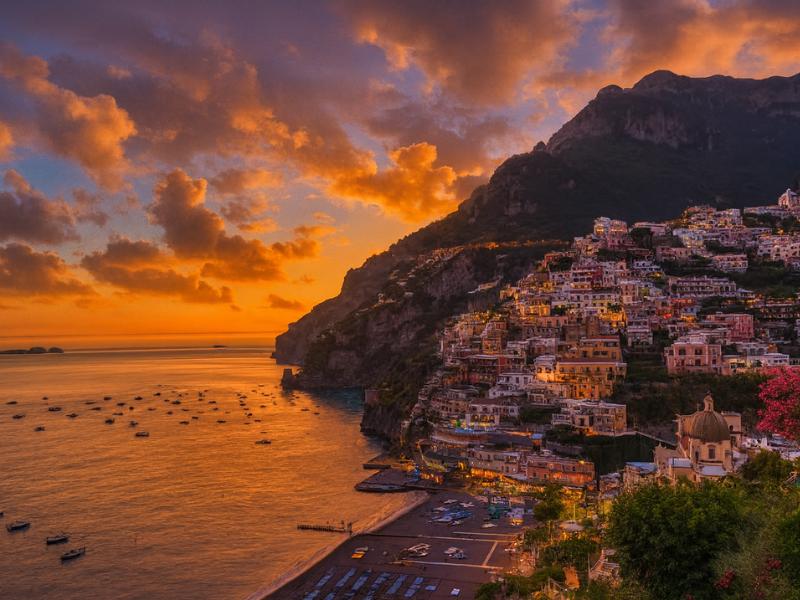
Sunset gozzo cruise from Amalfi – glide past cliffs and pastel villages toward Positano, prosecco + snacks on board, swim stops in hidden coves with snorkel gear, watch golden light dance over the colorful houses, intimate max 10 guests, 2-hour romantic escape.
Amalfi to Capri full-day boat adventure – depart directly from Darsena pier (no buses), prosecco + fresh fruit welcome, swim stops at hidden grottos and beaches, cruise past Sophia Loren’s villa, Furore fjord and Lovers’ Arch, 3 hours free time on Capri (Blue Grotto optional), Faraglioni + Green/White Grottoes on return, open bar with limoncello, beer and soda included.
Our Amalfi Coast history tours visit ancient Pompeii or Herculaneum, Byzantine churches, cliff-top monasteries, and aristocratic villas with frescoes still glowing after 2,000 years.
Pompeii half-day escape from Sorrento – skip-the-line guided walk through the UNESCO ruins buried by Vesuvius, explore ancient houses, baths, frescoes and a 2,000-year-old bakery with original ovens, expert archaeologist guide, comfortable round-trip bus included.
Private Pompeii tour from Positano – hotel pickup, A/C transfer and skip-the-line entry, 2-hour expert archaeological guide through Forum, thermal baths, ancient houses and frescoes frozen by Vesuvius in 79 AD, return transport included.
Pompeii + Vesuvius full-day combo from Sorrento/Naples – skip-the-line Pompeii tour with expert guide through ancient streets, baths and frescoes, lunch at a Vesuvian winery, then hike to the live crater rim at 1,280m with panoramic Gulf of Naples views, all transport and guides included.
Our Amalfi Coast food tours take you to buffalo farms for fresh mozzarella, family limoncello distilleries, seaside markets, and home kitchens where nonnas teach real recipes.
Authentic farm experience from Sorrento – visit a working countryside farm among lemon + olive groves, learn traditional oil and wine making, generous tasting of house limoncello, olive oil and wines, followed by fresh farm-to-table lunch, round-trip A/C transport included.
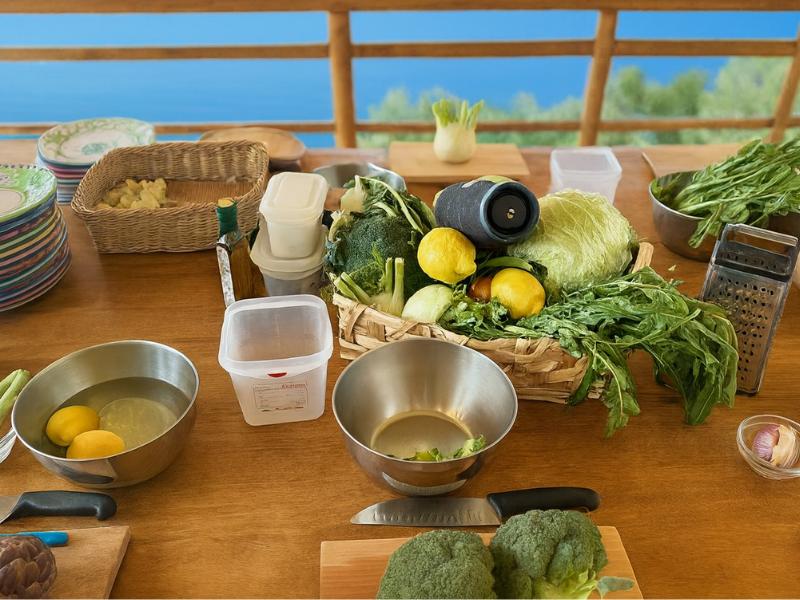
Amalfi Coast cooking class at a scenic farm – hands-on lesson making fresh tagliatelle with seasonal vegetable sauce + classic tiramisu, then feast on your creations paired with farm wine while soaking in stunning coastal views, all ingredients and recipes included.
Small-group boat trip from Amalfi to Capri (max 12 guests) – prosecco welcome, swim stops at Punta Campanella + Li Galli marine park, cruise past Faraglioni rocks, 2–3 hours free time on Capri for beaches or grottos, limoncello + cookies on return, full-day adventure.
Amalfi Coast farm cooking workshop (max 10 guests) – harvest ingredients from terraced gardens, hands-on lesson making bruschetta, fresh pasta and lemon tiramisu, then enjoy your creations with local wine + limoncello, recipes and cooking diploma included.
Sorrento Peninsula farm experience at Le Colline di Sorrento – stroll through lemon + olive groves with panoramic Bay views, watch live mozzarella making, generous tasting of fresh cheeses, cured meats, bruschetta, olive oil, limoncello and citrus marmalades, farm shop visit included, wheelchair-friendly.
Primaluce farm pizza experience above Sorrento – welcome drink on the lawn, hands-on pizza school with wood-oven baking, feast on your pizza plus cold cuts, fresh mozzarella, farm vegetables, water, wine, limoncello and homemade dessert, stunning Gulf of Naples views included.
Our Amalfi Coast scooter tours put you on a Vespa weaving the famous coastal road with stops at panoramic lookouts, secret beaches, and quiet villages.
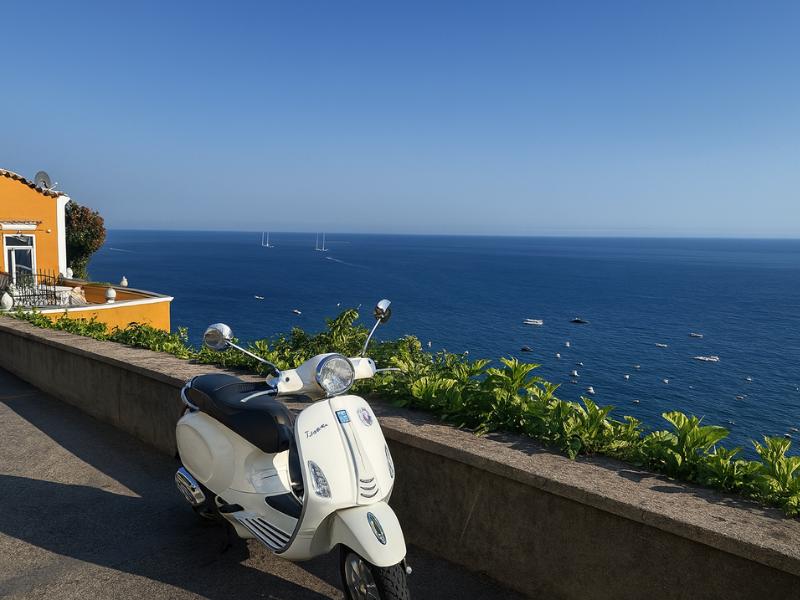
Self-drive Vespa adventure along the Amalfi Coast – automatic scooter with full insurance, wind through iconic curves and hidden viewpoints, stop for photos and seaside lunch whenever you like, safety briefing and parking included, perfect freedom on the Italian Riviera.
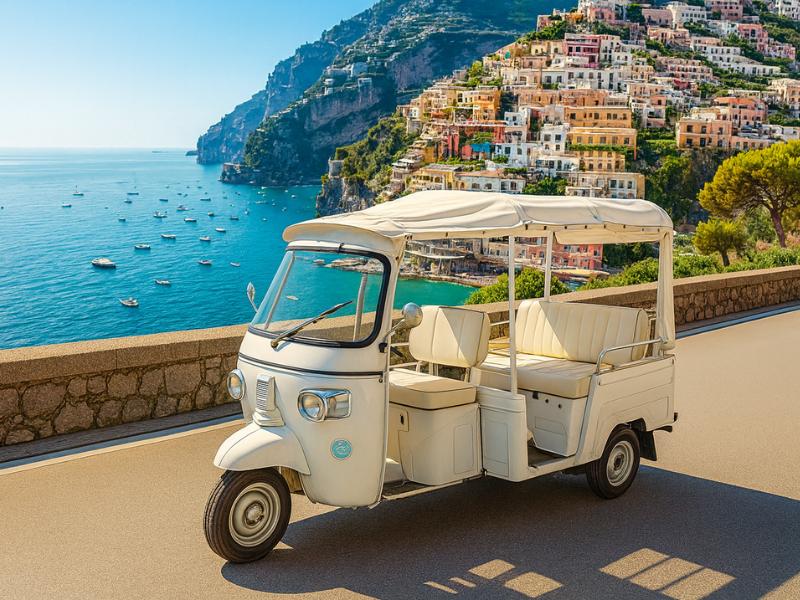
Amalfi Coast Ape Tuk-Tuk adventure – zip through picturesque villages and cliffside roads in an iconic Italian three-wheeler, expert driver, stops at panoramic terraces and Furore fjord, multilingual offline audio guide with mermaid legends and history, comfortable and safe ride from Sorrento/Positano to Amalfi.
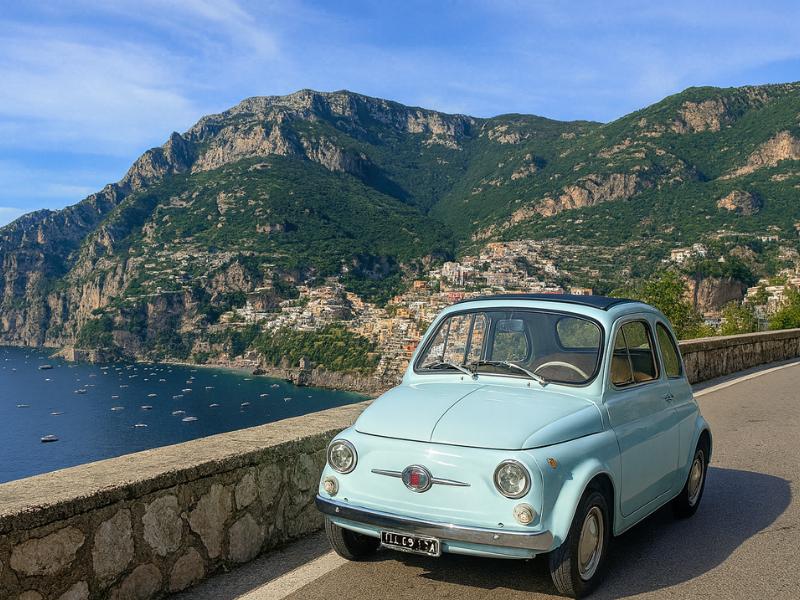
Vintage Fiat 500 glamour tour along the Amalfi Coast – feel like an 80s movie star in an iconic Italian classic, local driver, multiple panoramic stops around Positano & Praiano, pose inside the car at colorful fruit stands and cliffside viewpoints, perfect selfies with turquoise sea backdrop, hotel pickup/drop-off included.
Our Amalfi Coast private tours give you your own boat, driver, and skipper for the day: hidden coves, seaside restaurants off the radar, rooftop terraces in Positano, no lines, no crowds, just you and the coast.
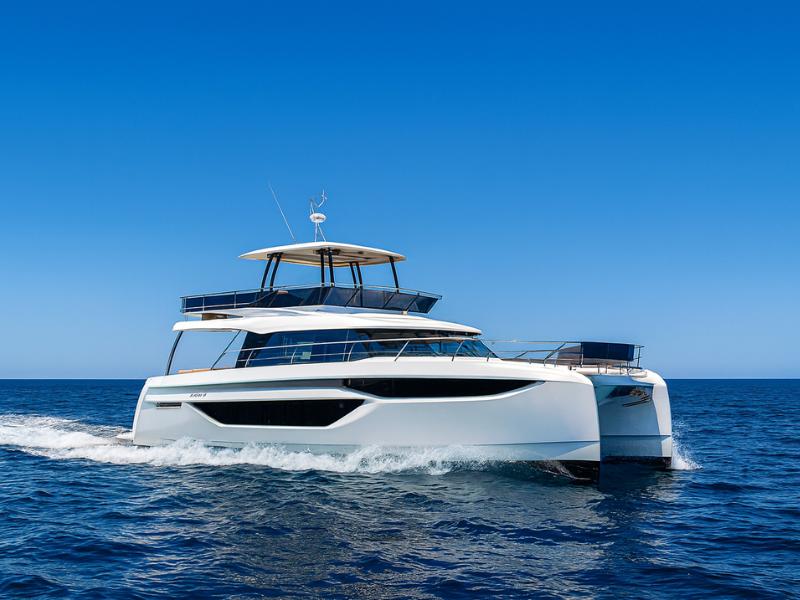
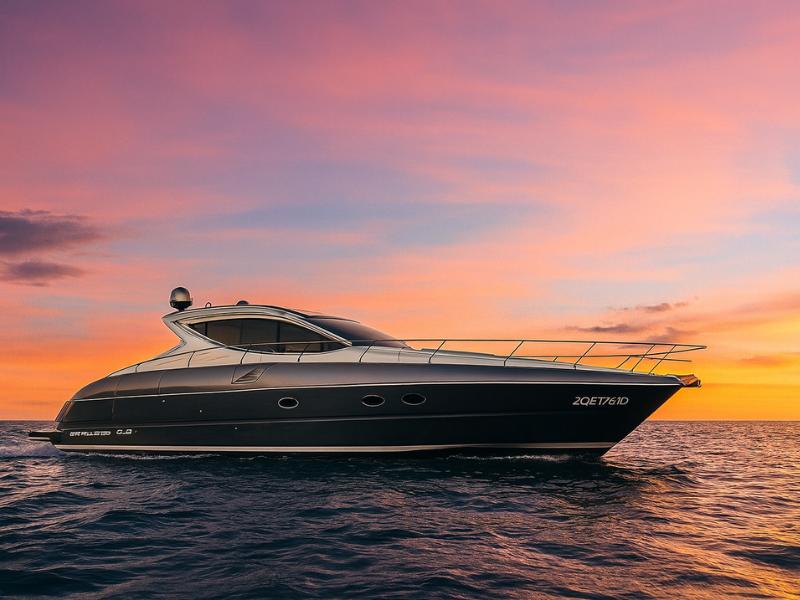
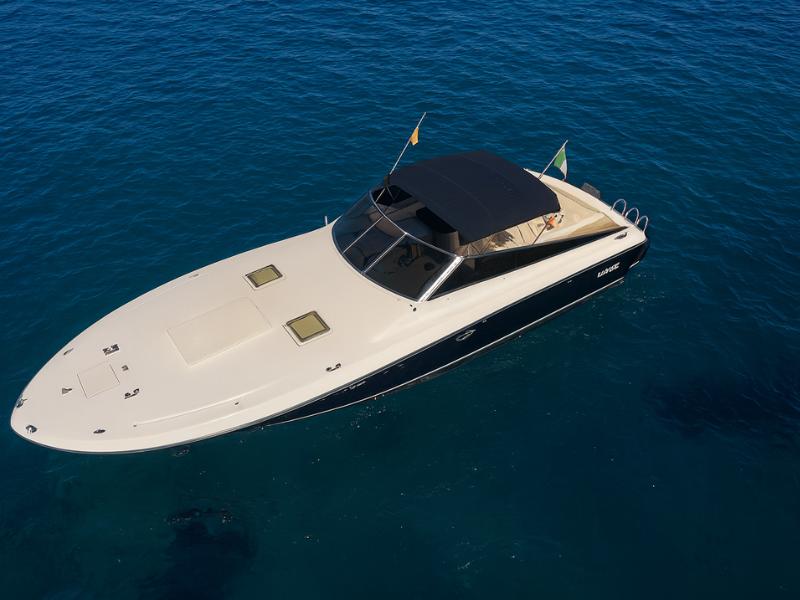
Luxury 50-ft yacht cruise along the UNESCO Amalfi Coast – glide past Positano, Amalfi and Ravello, swim + snorkel in turquoise secret coves, Italian aperitivos on deck, local crew sharing hidden stories, fully customizable route for celebrations or pure relaxation.
Sorrento to Amalfi boat journey – glide past pastel Positano, quiet Praiano and dramatic Furore fjord, cruise around mythical Li Galli islands, free time to wander Amalfi’s historic streets and cathedral, sunset return across the Tyrrhenian Sea with unbeatable coastal views.
The Amalfi Coast hits you like a postcard that came alive. Tiny towns cling to cliffs so steep the roads twist like spaghetti, lemon terraces drip down to water the color of gin, and every corner smells like fresh seafood frying in olive oil. Drive the hairpin road with your jaw dropped, hop a boat to hidden coves only locals know, or just sit on a terrace sipping limoncello while fishing boats bob below. With Italy Amalfi Coast Tours you skip the tourist traps and get the real deal: private drivers who grew up here, secret beaches, dinner at tables that hang over the sea, and sunsets that make you forget what day it is.
Our expert team has been helping travelers discover and book Amalfi Coast tours for over a decade, ensuring your Italian coastal getaway is seamless with everything arranged before you arrive.
With deep knowledge of the Amalfi Coast and its treasures, partnerships with trusted local guides and operators, and a passion for creating unforgettable experiences, we're committed to making your Italian journey truly extraordinary. From your first inquiry to your last coastal vista, we're here to support you every step of the way.
Recognized for Coastal Tourism Excellence
Italy Amalfi Coast Tours is honored by travelers and Italian heritage organizations
Travelers' Choice Award2024
Guest Satisfaction Excellence2023
Best Tour Operator Italy2023
Outstanding Coastal Service2023
Mediterranean Heritage Tourism Award2024
Amalfi Coast travel questions
How many days should I spend on the Amalfi Coast?
3-4 days is ideal for experiencing the Amalfi Coast's highlights without feeling rushed. This allows time to explore multiple towns (Positano, Amalfi, Ravello), hike the famous Path of the Gods, take a boat tour along the coast, enjoy beach time, and possibly day trip to Capri or Pompeii. Minimum 2-3 days works if you're short on time—enough for visiting main towns and one major activity. If you have 5+ days, you can enjoy a more relaxed pace, add cooking classes, wine tastings in Tramonti, explore hidden beaches, and truly soak in the coastal lifestyle. Remember: the Amalfi Coast is about relaxation and taking in stunning views, not rushing between attractions. Many travelers wish they'd stayed longer to fully appreciate the laid-back Mediterranean atmosphere and breathtaking scenery.
Where should I stay on the Amalfi Coast—Sorrento, Positano, or Amalfi?
Each base offers distinct advantages. Sorrento is the most practical choice—excellent transportation connections (trains to Naples/Pompeii, ferries to coastal towns and Capri), more affordable accommodations ($60-150/night vs. $200+ in Positano), less touristy feel, and stunning sunset views facing west. It's ideal for day-tripping to multiple destinations but lacks the iconic clifftop charm. Positano is the most picturesque and romantic—postcard-perfect pastel houses cascading down cliffs, luxury atmosphere, and walking distance to beautiful (though pebbly) beaches. However, it's expensive, extremely touristy, crowded, and requires navigating steep stairs. Amalfi Town offers middle-ground charm with good access to buses/ferries, reasonable prices, walkability to nearby Atrani, and central location. Ravello provides tranquil mountain-top views away from crowds with stunning villas and gardens but requires buses to reach beaches. Praiano is a quieter alternative between Positano and Amalfi with authentic local atmosphere and spectacular views but fewer amenities.
What is the Path of the Gods hike?
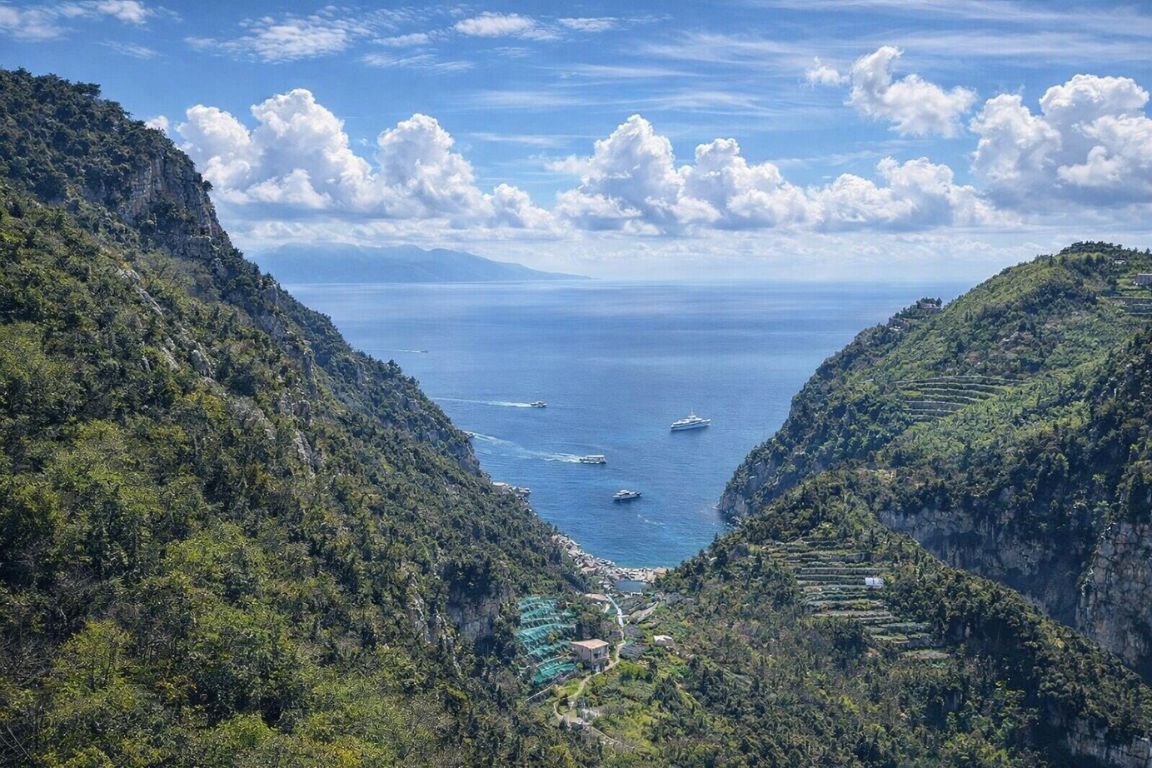
The Path of the Gods (Sentiero degli Dei) is the Amalfi Coast's most spectacular hiking trail, offering breathtaking panoramic views of the coastline, Mediterranean Sea, and dramatic cliffs. The most popular route runs from Bomerano to Nocelle (above Positano), covering approximately 7-8km and taking 2.5-4 hours depending on pace and photo stops. The trail features relatively easy terrain with some elevation changes, stunning viewpoints at every turn, and ends with iconic views of Positano's colorful houses tumbling down to the sea. Important tips: Start early (7-8 AM) to avoid crowds and heat; hike downhill from Bomerano to Positano rather than the grueling uphill climb; stop at the convent halfway for fresh-squeezed orange juice with sea views; wear sturdy closed-toe shoes; and be prepared for 1,700+ steep stone steps descending into Positano at the end (or take a bus from Nocelle). The trail can be muddy after rain with some rocky sections but is manageable for moderately fit hikers.
Should I rent a car on the Amalfi Coast?
Generally, no—avoid renting cars on the Amalfi Coast unless you're an extremely confident driver comfortable with challenging conditions. The coastal roads are notoriously narrow, winding, and feature hairpin turns along sheer cliffs with minimal guardrails. Traffic is often gridlocked, especially during peak season (June-September), with massive tour buses navigating tight corners that can bring everything to a standstill for extended periods. Parking is scarce, expensive ($30-50/day in Positano), and many hotels charge extra or lack spaces entirely. Better alternatives include: SITA buses connecting all coastal towns (~$2.80 per ride, though often packed and delayed); ferries offering stunning water views while avoiding traffic (running April-October); private or shared boat tours for flexible coastal exploration; or hiring private drivers for specific day trips. If you insist on driving, rent scooters/Vespas for more maneuverability—but even these require experience navigating intense traffic and steep terrain.
If you're skipping the rental, here's the complete breakdown of Italy Amalfi Coast tours without a car so you understand all your transportation options between towns.
What are the best towns to visit on the Amalfi Coast?
Each coastal town offers unique charm worth experiencing. Positano is the iconic postcard image—stunning pastel houses cascading down cliffs, luxury boutiques, beach clubs, and endless Instagram opportunities, though extremely touristy and expensive. Amalfi Town features the impressive Duomo di Amalfi, paper museum, lemon products, central location, and authentic Italian atmosphere mixing tourists with locals. Ravello sits high in mountains offering breathtaking views, stunning Villa Cimbrone and Villa Rufolo with spectacular gardens (~$10-17 entry), peaceful atmosphere away from beach crowds, and world-class restaurants—absolutely don't miss it. Atrani is a tiny authentic fishing village (5-minute walk from Amalfi) with charming piazza, local restaurants, and few tourists—perfect for evening strolls. Praiano offers quieter alternative with spectacular Positano views, beach clubs like La Gavitella, and authentic local feel. Vietri sul Mare showcases vibrant hand-painted ceramics everywhere—colorful, less touristy, and surprisingly beautiful. Minori and Maiori provide wider sandy beaches and authentic local experiences away from tourist hordes.
When is the best time to visit the Amalfi Coast?
May, June, September, and early October offer optimal conditions—warm weather (20-28°C/68-82°F), fewer crowds than peak summer, lower accommodation prices, and ferries still operating. July-August brings peak season with highest prices, overwhelming crowds, sweltering heat, gridlocked traffic, and packed beaches—avoid if possible unless you thrive in bustling atmospheres. April and late October work well for budget travelers and those prioritizing tranquility over beach weather; expect pleasant temperatures, occasional rain, limited ferry service, and significantly fewer tourists—some restaurants/hotels may be closed. November-March is off-season with many establishments closed, limited transportation, cooler weather (10-18°C/50-64°F), but rock-bottom prices and almost no tourists—best for peaceful exploration without swimming. Easter brings crowds and higher prices but festive atmosphere. Ferry season typically runs April-October, though schedules vary—always check current timetables before planning day trips by water.
The coast's location enables fantastic day trips. Capri (30-45 minute ferry from Positano/Amalfi/Sorrento) offers the famous Blue Grotto, luxury shopping, stunning views from Monte Solaro, and glamorous island atmosphere—absolutely worth a full day. Pompeii (accessible via train from Sorrento or bus from various towns) lets you explore remarkably preserved ancient Roman city buried by Mount Vesuvius—allow 3-4 hours minimum, consider hiring a guide for historical context. Herculaneum is smaller, less crowded, better preserved than Pompeii—excellent alternative or complement. Naples (1 hour from Sorrento by train) provides authentic Italian city life, incredible pizza, archaeological museum, and historic center—though many find it grittier and less charming than other Italian cities. Ischia (ferry from Naples/Sorrento) features thermal springs, beaches, and relaxed island atmosphere—quieter alternative to Capri. Paestum (south of Salerno) showcases spectacular Greek temples and archaeological sites. Mount Vesuvius allows hiking to the crater rim for panoramic Bay of Naples views.
If you're debating a day trip from Naples or Rome, here's is one day on the Amalfi Coast worth it so you can decide if rushing through is better than not going at all.
What are the best hikes on the Amalfi Coast besides Path of the Gods?
Several stunning trails showcase the coast's natural beauty. Path of the Lemons (Sentiero dei Limoni) connects Maiori to Minori through fragrant lemon groves and offers easier terrain than Path of the Gods—perfect for families, with cafes at both ends. Valle delle Ferriere near Amalfi features lush nature reserve with waterfalls, streams, ferns, and cooler microclimate—refreshing escape from coastal heat. Path to Santa Maria del Castello leads to rustic Italian village frozen in time with authentic atmosphere and lunch at traditional Zi Peppe restaurant. Ravello to Atrani (Valley of the Dragon) descends through terraced gardens and offers excellent views—allow time for the steep climb back up. Sant'Agata Due Golfi to Marina di Crapolla reaches hidden fjord with small swimming beach and ancient chapel—challenging hike back up but spectacular and uncrowded. Nocelle to Positano stairs (1,700+ steps) can be done independently for famous Positano views without the full Path of the Gods hike. Remember: Most hikes are significantly easier going downhill—plan transportation accordingly with buses or taxis for returns.
Should I book Amalfi Coast tours and activities in advance?
Yes, advance booking is recommended for: Peak season (June-September) when everything fills up weeks ahead; specific experiences like cooking classes, private boat tours, wine tastings, and villa entries that have limited capacity; ferry tickets during high season to secure preferred departure times and avoid sold-out situations; and upscale restaurant reservations at places like Casa Mele or other destination restaurants. Book upon arrival or last-minute for: SITA bus tickets (purchased at tabacchi shops day-of); shared boat tours which usually have availability even during busy periods; Path of the Gods hiking (no reservations needed, just show up early); beach club sunbeds (negotiate prices upon arrival); and general restaurant meals at casual spots (most accommodate walk-ins). Pro tip: Book accommodations 2-3 months ahead for best selection and prices, especially if visiting May-October. Private boat tours and cooking classes should be booked 2-4 weeks ahead. Everything else can be decided spontaneously based on weather and mood—embrace flexibility!
What should I pack for the Amalfi Coast?
Essential items include comfortable walking shoes with good grip for steep cobblestone streets, stairs, and hiking (the entire coast is vertical—you'll climb hundreds of steps daily); sun protection: high-SPF sunscreen, sunglasses, and wide-brimmed hat (Mediterranean sun is intense); light layers: breathable clothing for hot days, light sweater for cool evenings and air-conditioned ferries; modest clothing for visiting churches (cover shoulders and knees); swimsuit and beach towel for beaches and boat tours; small day backpack for carrying water, snacks, and essentials during hikes and town exploration; motion sickness medication if prone (essential for winding bus rides); cash in euros (many small shops, tabacchi stores, and some restaurants don't accept cards); reusable water bottle (refill at public fountains); camera/phone with full battery for endless photo opportunities; and comfortable casual attire (the coast is relaxed Mediterranean style—no need for formal wear except at upscale restaurants).
Helpful articles about the Amalfi Coast
Guides and answers to plan the trip: which town to base yourself in, the villages worth a stop, the Path of the Gods hike, the best beaches, and the questions travellers ask most.
One full day on the coast, hour by hour, the way the guided tours actually run it.
8:00 amHotel pickup in Naples or Sorrento
9:15 amFirst stop, Madonnina viewpoint, the coast reveals itself
10:00 amArrive in Positano, two hours of free time
12:00 pmDepart Positano, scenic drive along the coast road
12:45 pmLunch stop, your choice, guide recommendations provided
2:00 pmArrive in Amalfi town, visit Sant'Andrea Cathedral
3:30 pmDrive up to Ravello, gardens and views over the bay
5:00 pmBegin return along the coast
6:30 pmDrop-off at your hotel
The Amalfi Coast road is not a highway. It is a single-lane cliff road shared by buses, scooters, delivery vans, and pedestrians who have decided the pavement is optional, and the drive along it requires skill, patience, and a driver who has done it enough times to know which sections demand extra care. We use small air-conditioned minivans rather than large coaches precisely because this road punishes vehicles that don't belong on it. Our clients sometimes grip the armrest on the first stretch out of Positano. By the third hairpin bend they're leaning toward the window for the view. The coast presents itself slowly and then all at once, and the first proper look at the villages stacked up the cliffs above the water is a moment that arrives before you're fully ready for it.
Positano gets two hours because it needs two hours. The town is a vertical place, built up a hillside in layers of pink and white and terracotta, connected by staircase streets so narrow that two people with bags can barely pass. The beach is at the bottom, the church with its majolica dome is in the middle, and the boutiques and cafes are distributed across every level in between. Our guides give you the orientation and the best streets to walk, then step back and let you move at your own pace. Italy Amalfi Coast Tours operates on the principle that free time in a place like Positano is not wasted time, it is the point. Clients who've been on larger group tours where free time means fifteen minutes and a souvenir shop consistently tell us the difference is significant.
A few practical things worth knowing before the day begins. The coast road can cause motion sickness for people who are susceptible to it, particularly in the back seats on the tighter curves. Sitting toward the front helps, and we suggest mentioning it when you book so we can plan accordingly. Comfortable walking shoes matter more than they seem when you're navigating Positano's staircases or the uneven stone lanes of Amalfi's old center. The summer months bring crowds, and towns like Positano in July and August are genuinely busy in ways that affect how much you enjoy wandering. We build arrival times around this reality and aim to be in each town before the peak of the day rather than in the middle of it.
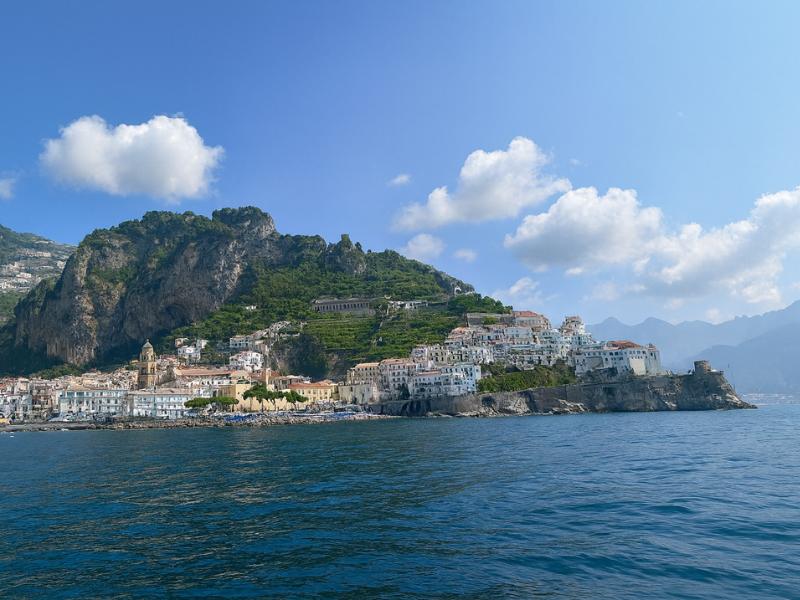
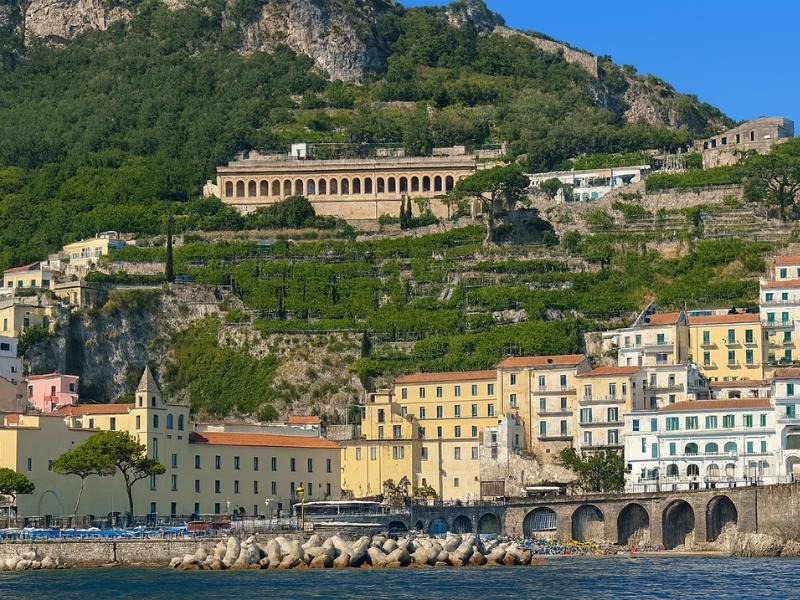
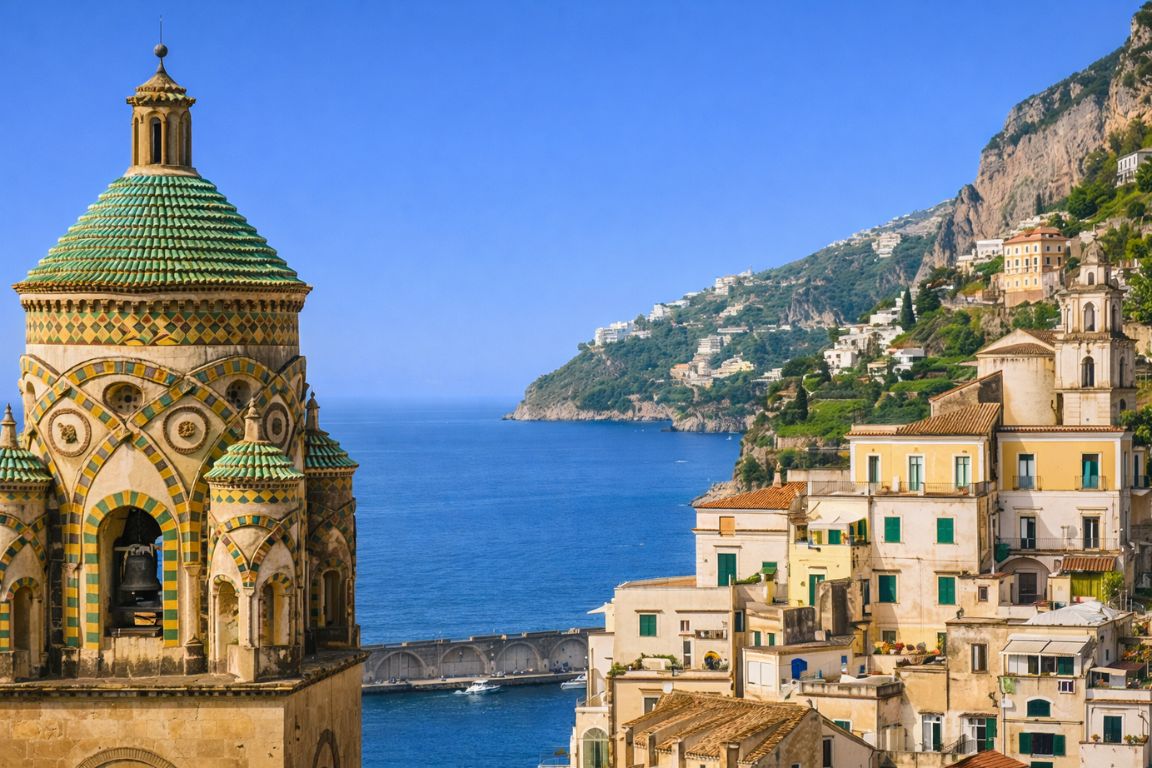
Amalfi town itself is different in character from Positano, wider and flatter at the base, with a proper piazza fronting the cathedral whose facade is one of the most photographed in southern Italy. The Arab-Norman architecture tells the story of a trading republic that was operating shipping routes across the Mediterranean a thousand years ago, and the cathedral interior earns a few quiet minutes. The guide puts the history in context without turning the stop into a lecture. There is time for gelato and a coffee before the drive up to Ravello, which sits 350 meters above the water on a ridge with views that make the ascent feel justified the moment you step out of the van. The gardens at Villa Rufolo have been drawing visitors since Wagner reportedly composed part of Parsifal here in 1880. That pedigree is not accidental.
The return drive in the late afternoon has a different quality than the morning. The light is lower and warmer, the crowds in the towns have thinned slightly, and most clients are in the particular state that a full day of Italian coastline produces: not tired exactly, but settled in a way that makes conversation slower and observation sharper. Italy Amalfi Coast Tours has you back at your hotel by early evening, which leaves time for dinner without rushing. The limoncello at the end of the day is not a gimmick. It is made from the lemons grown on the terraces you drove past all day, and it tastes like the coast smells. That connection between place and product is something this stretch of the Italian south does better than almost anywhere.
Average Tour Prices on the Amalfi Coast
Tap a column heading to sort.
Prices below are what you'll pay when booking through our verified operators online. They are current as of early 2026. Tours starting from Naples or Rome include round-trip transport from those cities. Tours starting from Sorrento or Positano assume you are already based on the coast. A few experiences, including the luxury powercat charter and private Pompeii tour, are priced per vehicle or per group rather than per person; those are noted in the table.
Italy Amalfi Coast Tours: What Each Experience Costs Online
Classic Coast Day Trips (from Naples, Sorrento, or Rome)
Prices per person unless noted. The luxury powercat is priced per charter (captain, crew, fuel, snorkel gear, soft drinks, and snacks included). Cooking class pricing varies by host and group size. Contact Italy Amalfi Coast Tours directly for on-request experiences.
Online vs. On-the-Day vs. Hotel Concierge: How Booking Method Affects Price and What You Get
Book Online in Advance (via verified operators like Italy Amalfi Coast Tours)
$81 to $187 / person for day tours; boat and private experiences on request
Low: group size guaranteed (max 10 to 18 participants depending on tour), skip-the-line entry included on archaeological tours, free cancellation 24 hours before, no surprise extras
Medium: buses are cheap and authentic but frequently packed and subject to coastal road delays; walk-up boat operators exist but peak-season availability on small group boats is genuinely limited; cooking classes and Fiat 500 tours almost never have last-minute spots in June to September
Hotel Concierge Booking (through your accommodation's front desk or recommended local partners)
Typically 20 to 35% above online rates
Low logistics, higher cost: concierge-arranged excursions offer convenience and in-person reassurance, but the markup is real and group sizes are rarely capped the same way as direct-booked small-group tours
The Honest Case for Booking with Italy Amalfi Coast Tours in Advance
The Amalfi Coast is one of the most visited stretches of coastline in Europe, and the logistics reflect that. The road connecting Positano, Amalfi, and Ravello is a single-lane corniche that handles more traffic than it was designed for, which means that getting from one town to another in peak season is not just scenic; it takes time, patience, and a driver who knows when to leave and which route to take. Every small-group day trip listed through Italy Amalfi Coast Tours caps participants at 18 or fewer. That is not marketing language. The Positano town centre has traffic restrictions that limit which vehicles can enter and when, and the coastal road itself narrows to a point where full-size coaches simply cannot stop at the best viewpoints. The small-group size is what allows free time in actual Positano, not just a car park on the edge of it.
The boat tours require a slightly different case. The Gozzo snorkeling tour carries a maximum of ten guests, and the grotto stops at Saint Andrew's Cave and Africana Grotto are tidal and weather-dependent. The skipper times entry around swell and light conditions. Large group boat tours on the same coastline are cheaper and have slots available on the day, but they do not make the same tidal adjustments or linger at the swim stops. The Blue Grotto at Capri is a particular example of where timing matters enormously. Entry is through a low opening accessible only by rowboat at calm water, and the early-morning departure built into the Sorrento Blue Grotto tour is specifically designed to arrive before the ferry crowds from Naples and the island itself make the wait unworkable. Booking on the day of visit at Capri and hoping for reasonable Blue Grotto queue times in July is an optimistic plan.
The cooking classes and Fiat 500 tours round out the on-request category for a reason. Both depend on host availability and preparation, and neither has the slot buffer that a shared group tour does. A coastal cooking class run by a local family needs ingredients sourced the morning of, a kitchen prepared for guests, and a guide confirmed. A vintage Fiat with a local driver and panoramic stops around Praiano and Positano is a genuinely intimate experience that does not scale. These are the kinds of experiences that fill two to three weeks ahead in spring and summer. Leaving them to chance once you arrive is the booking equivalent of hoping for a table at a small trattoria on a Friday in August.
How to Visit the Amalfi Coast
The Amalfi Coast has a reputation that precedes it, and it mostly deserves it. It also has a set of practical realities that trip people up every year, from accommodation booked too late to car rental decisions made without understanding the roads. Here is what everyone who contacts Italy Amalfi Coast Tours hears from us before they start planning.
1
Choose your base town carefully, because they are not interchangeable.
Sorrento is the most practical: good train and ferry connections, more affordable accommodation, and an easy jumping-off point for the coast, Capri, and Pompeii. Positano is the iconic image most people have in mind, photogenic and romantic, but expensive and steep with everything on stairs. Amalfi town sits in the middle in both geography and price. We always tell visitors to be honest about whether they want convenience or atmosphere, because the two do not always overlap here.
2
Come in May, June, September, or early October.
July and August are when the roads gridlock, the beaches fill wall to wall, and accommodation prices peak. The coast is genuinely beautiful year-round, but those four months offer warm water, operating ferries, and a version of the place that is still recognizably Italian rather than a queue-management exercise. If summer is your only window, book everything well in advance and set your expectations for crowds.
3
Do not rent a car.
This is the most consistent piece of advice we give, and the one most people initially push back on. The coastal road is narrow, winding, and in peak season frequently at a standstill behind tourist buses navigating hairpin bends above sheer drops. Parking in Positano costs as much as a meal and is nearly impossible to find. The SITA buses, ferries, and private transfers cover everything you need for a fraction of the stress. If you are a very experienced driver and plan to visit outside of summer, it is manageable. For most visitors at most times of year, it is not worth it.
4
Book accommodation at least two to three months ahead for summer visits.
The coast is small and the good properties fill early. This is not a place where showing up and finding something works in high season. Even in shoulder season, the better mid-range options book out weeks in advance. Sort this before anything else.
5
Plan for three to four days minimum.
Two nights gives you a rushed version of one or two towns and not much else. Three or four days lets you see Positano, Amalfi, and Ravello properly, fit in a boat tour, eat well without watching the clock, and absorb some of the slower rhythm that makes the coast worth the trip in the first place. More time opens up Capri, Pompeii, and the Path of the Gods hike.
6
Add Ravello even if it is not on your original list.
It sits high above the coast and most visitors focus on the seaside towns at water level. That is a mistake. Ravello is quieter, cooler, and the views from Villa Cimbrone and Villa Rufolo across the water and down to the coastline below are among the best on the entire stretch. Half a day is enough. A SITA bus gets you there from Amalfi in about 25 minutes.
7
Get on a boat at least once.
The coast as seen from the water and the coast as seen from the road are two genuinely different experiences. Boat tours reach hidden grottos and coves that the road never touches, and the perspective looking back at the cliffs and villages from the sea is the one that tends to stick. Morning departures are calmer and less crowded. Book in advance during peak season.
8
The one thing most first-timers get wrong:
underestimating how physical the coast actually is. Every town is built vertically. Positano alone involves hundreds of steps between the beach and the upper streets. The Path of the Gods ends with over 1,700 steps descending into the village. People who arrive expecting a gentle stroll along a flat promenade find the first afternoon significantly more demanding than expected. Comfortable shoes with grip, not sandals, make a real difference from day one.
Most Popular Amalfi Coast Tours
Tap a column heading to sort.
Most visitors to the Amalfi Coast arrive from Naples or Rome with a limited window and a clear wish list: Positano, Amalfi, a little limoncello, and a road they'll remember. These three tours lead all Italy Amalfi Coast Tours bookings by a wide margin, and the gap between first and second place, over 75,000 bookings, tells you just how heavily this coast is driven by day-trippers coming down from Naples.
Naples-based travelers who want the full coastal sweep, Sorrento through Positano to Amalfi, in a single guided day
Sorrento walking tour with limoncello tasting, Madonnina viewpoint, free time in Positano to wander the staircase streets or sit by the beach, optional seaside lunch, Amalfi Cathedral and waterfront. Air-conditioned transport, knowledgeable guide. Max 18 guests
Rome visitors who want to combine ancient history with the coast in one long but efficient day
Luxury WiFi coach from Rome, skip-the-line expert-guided Pompeii tour through ancient streets, villas and frescoes, scenic cliffside drive to Positano, free time for lunch and exploring the colorful lanes
Food lovers, couples, and anyone who wants something slower and more personal than a village-hopping day tour
Working countryside farm among lemon and olive groves, traditional oil and wine making, generous tasting of house limoncello, olive oil and wines, fresh farm-to-table lunch, round-trip A/C transport
5.0 (25,358+ bookings)
The third tour in this list is the one worth paying close attention to. A farm experience landing above a Capri boat tour and a Pompeii half-day in the rankings, with a perfect 5.0 rating, tells you something Italy Amalfi Coast Tours hears consistently from guests: the coast is genuinely beautiful, but the afternoon spent at a family farm above Sorrento, eating what just came out of the ground, tends to be the memory people talk about most when they get home.
Location
The Amalfi Coast runs for about 50 km along the southern edge of the Sorrentine Peninsula in Campania, southern Italy, facing the Tyrrhenian Sea. Most visitors fly into Naples International Airport (NAP), about 65 km away and roughly 1.5 to 2 hours by road or ferry, though the smaller Salerno Airport (QSR) sits closer at around 45 km. The coast's Mediterranean climate means warm, dry summers and mild winters, and the terrain itself, sheer limestone cliffs dropping directly into the sea with villages terraced into the rock, means the only road in and out is a single winding corniche that makes the journey as distinctive as the destination. Take a look at the map below to see how our tours connect the towns and headlands along the coast.
50 kmCoastline length
65 kmFrom Naples airport
1.5 – 2 hoursNaples to the coast
45 kmFrom Salerno airport
Guarantee Your Spot with Italy Amalfi Coast Tours
The Amalfi Coast is one of the most visited stretches of coastline in Europe, and between June and September it shows. The small-group boat tours, the cooking classes at farmhouses above Positano, the Capri day trips with early Blue Grotto access, and the private drivers who actually know these roads all have limited capacity. They fill weeks ahead during peak season, and the best ones fill fastest.
Book before you land in Naples. The coast rewards people who arrive with their days planned, not the ones improvising from a crowded Positano piazza.
What you lock in when you book in advance:
Your seat on a small boat. The best-rated coastal boat tours cap at 10 to 12 guests. The difference between a 10-person gozzo with prosecco on deck and a 50-person catamaran shared with three other tour groups is significant. Those small boats go early, especially in July and August.
A guide who knows the coast, not just the script. Italy Amalfi Coast Tours works with local drivers, skippers, and guides who grew up here. Knowing which cove is quiet on a Tuesday, where the carabinieri close the road, and which trattoria in Atrani does not cater to tourists is not something you find walking up to a kiosk in Amalfi.
Your cooking class with an actual kitchen and an actual view. The farmhouse classes above the coast, the mozzarella and limoncello tastings at working farms, the pasta sessions limited to 10 people, all run on fixed schedules with no walk-in option.
Skip-the-line entry at Pompeii. In summer, the queues at Pompeii are long and the heat is brutal. Pre-booked skip-the-line access with a proper archaeologist guide is the difference between two miserable hours in a queue and two good ones actually inside the ruins.
A day that runs on your timeline, not the bus schedule. SITA buses are cheap and useful but packed, delayed, and running on their own logic. A confirmed private driver or small-group tour means your coastal day actually fits the hours you have.
Three or four days on the Amalfi Coast goes fast. Spend them on the water and at the table, not sorting out what is still available after you arrive.